1 November 2026 marks fifteen years since Night Sky first appeared on the App Store. What began as a hobby has grown through years of work by our team and the curiosity of the people who use it.
This is the story from the original 2011 app to Night Sky 27: the ideas, experiments and new experiences that have helped us share more of the sky.
Night Sky (Version 1) (2011)
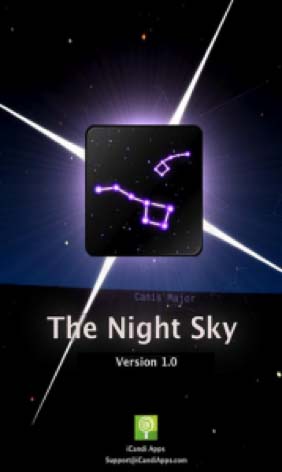
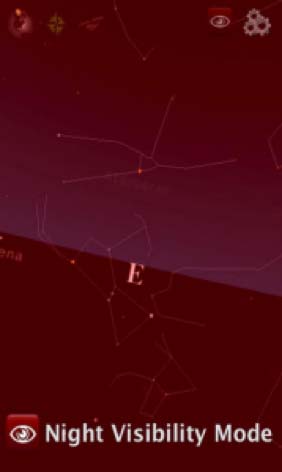
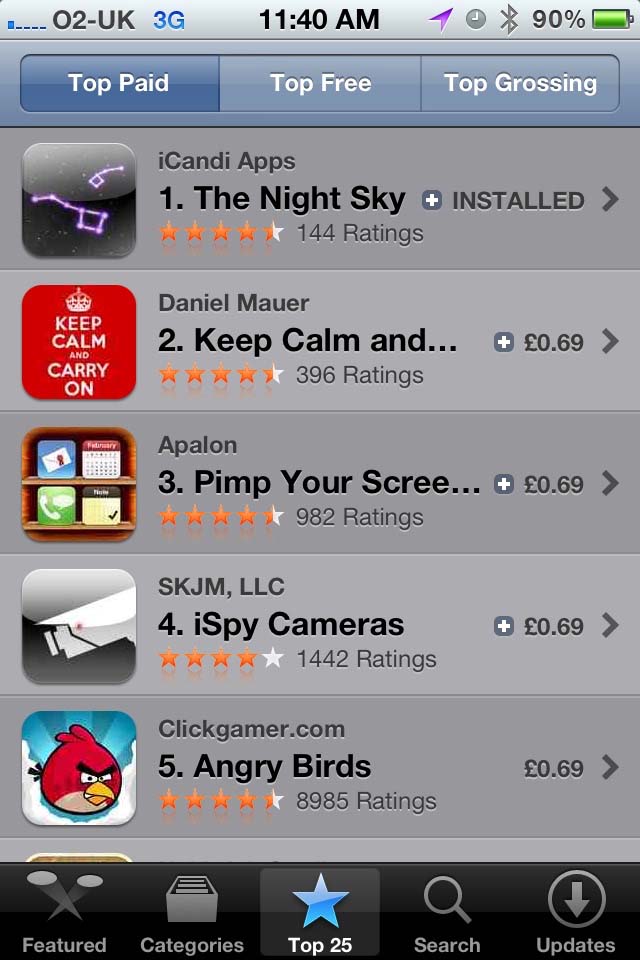
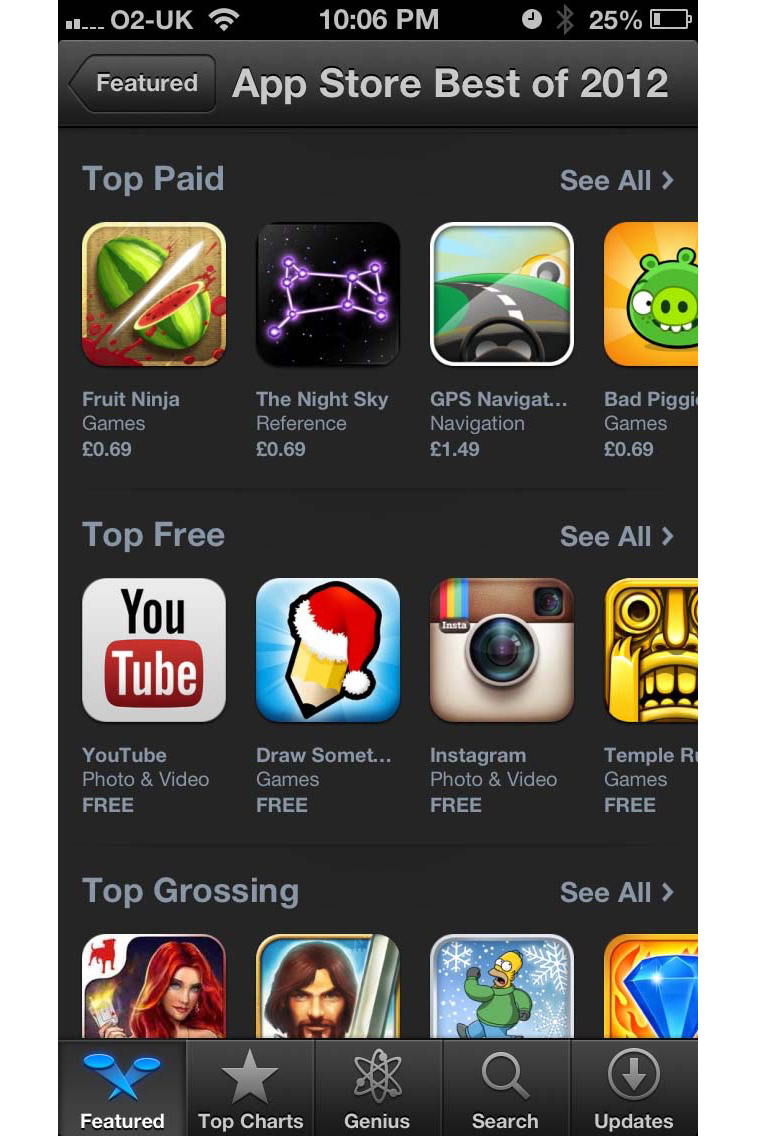
On November 1st 2011 the original Night Sky app was launched. It utilized the GPS, magnometer and accelerometer on iPhones and iPads to enable users to simply hold their device to the sky to identify stars, planets, constellations and satellites. This was the core functionality of the app and as this type of application was just being discovered, it really was a truly magical experience, to simply hold something to the sky and have it identify what you were looking at.
As Night Sky became more popular, we invested more of our time in the app and brought many updates, notably this was where we included the first Sky Information Pack, so users could tap the objects and then get information on them.
Night Sky 2 (2013)
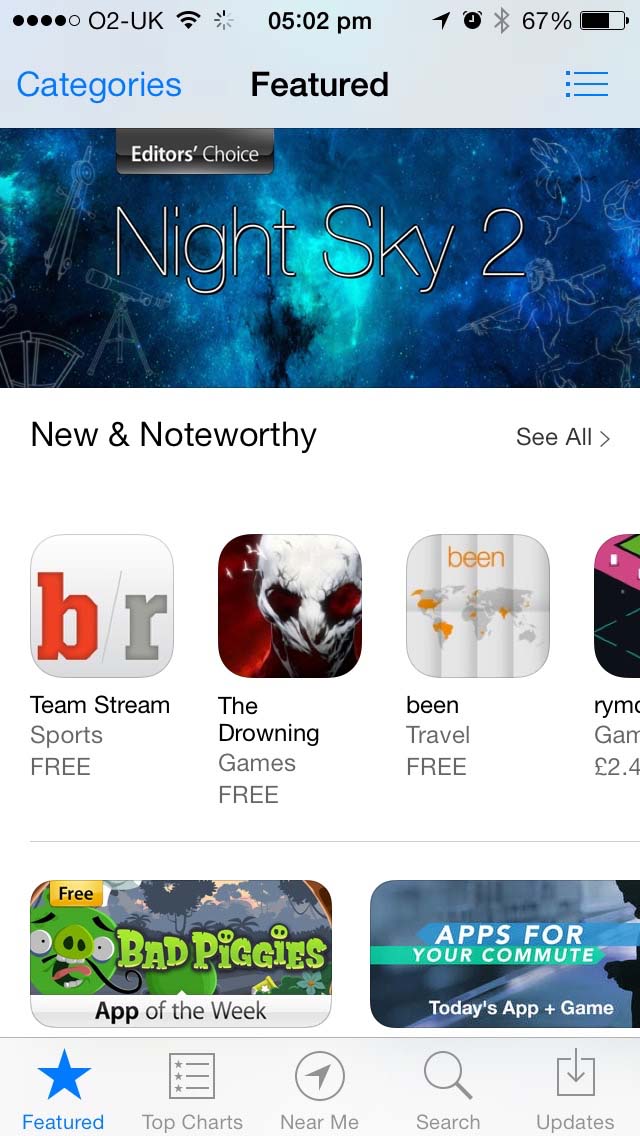
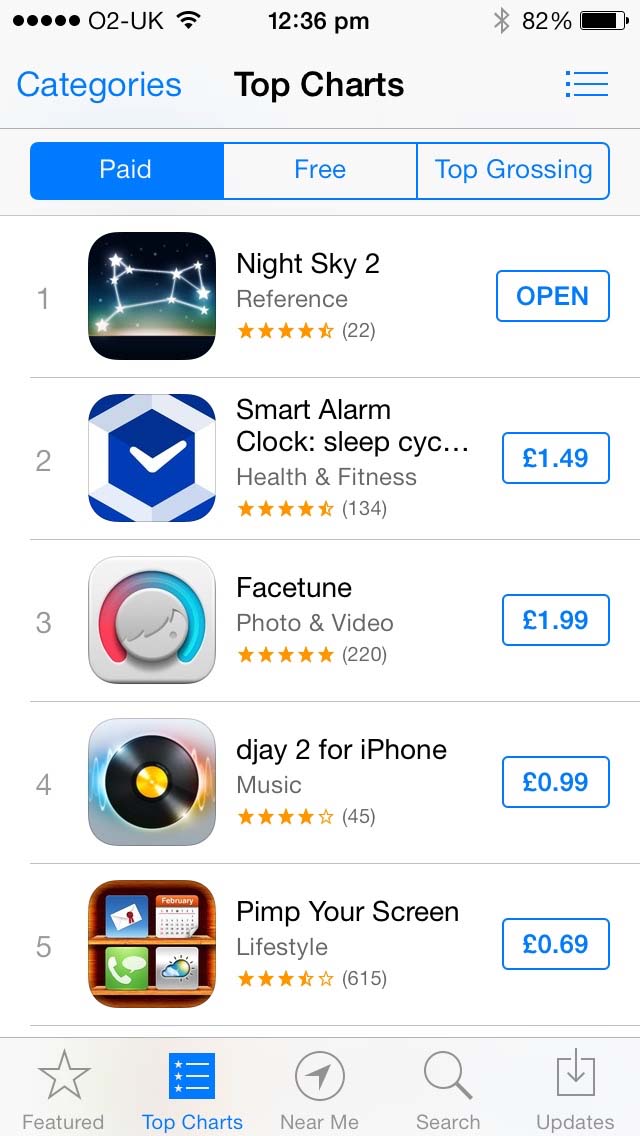
In 2013 we launched Night Sky 2. Night Sky 2 had a complete design change with a green theme, but more importantly focussed on bringing live stargazing and community features to Night Sky. We were the first stargazing app to bring localized stargazing information to you, and supply push notifications on stargazing conditions for the night ahead. Night Sky Community also made its debut in Night Sky 2 bringing thousands of stargazing sites and localized light pollution mapping to users worldwide.
Night Sky Pro (version 3) (2014)
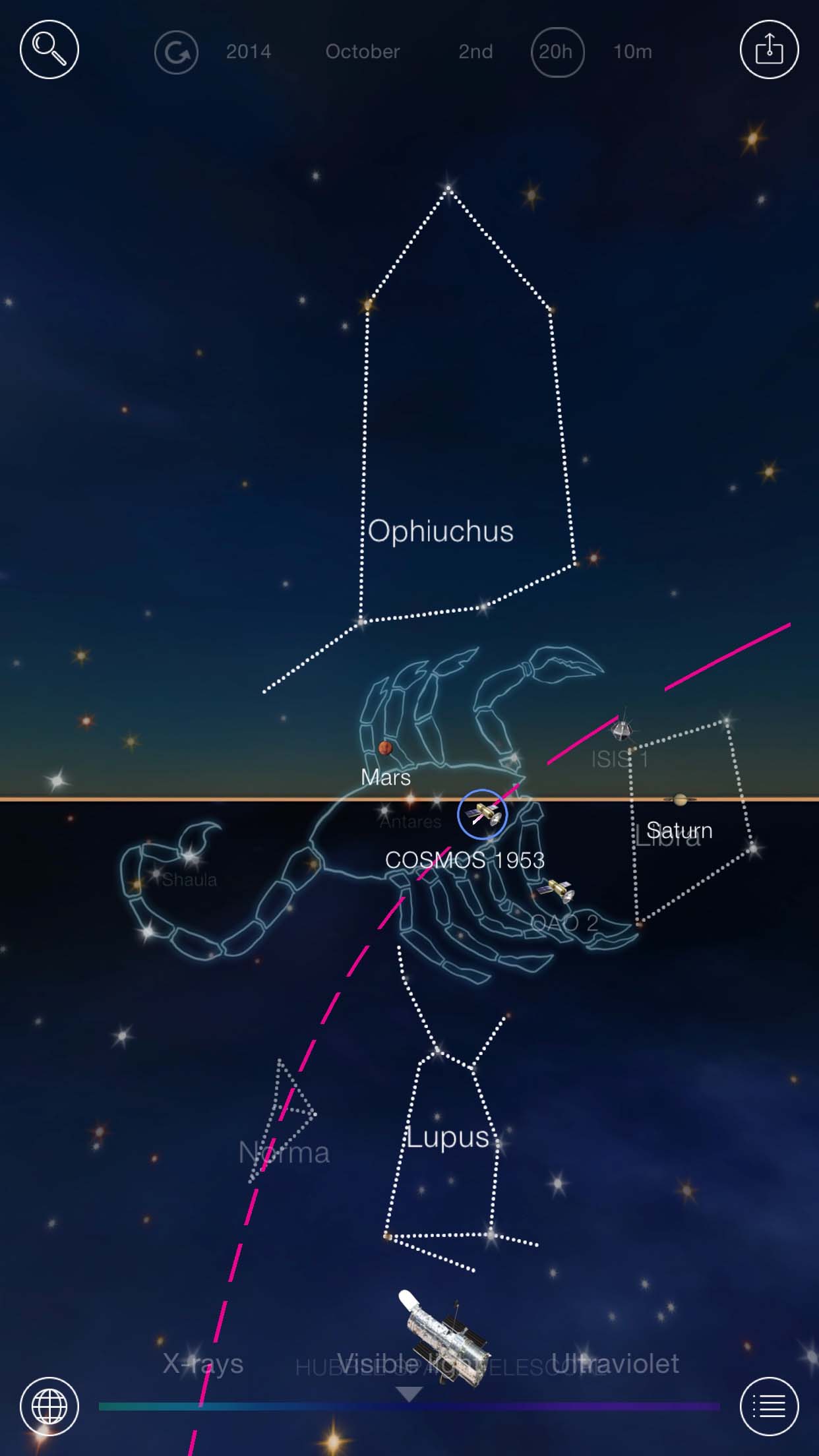
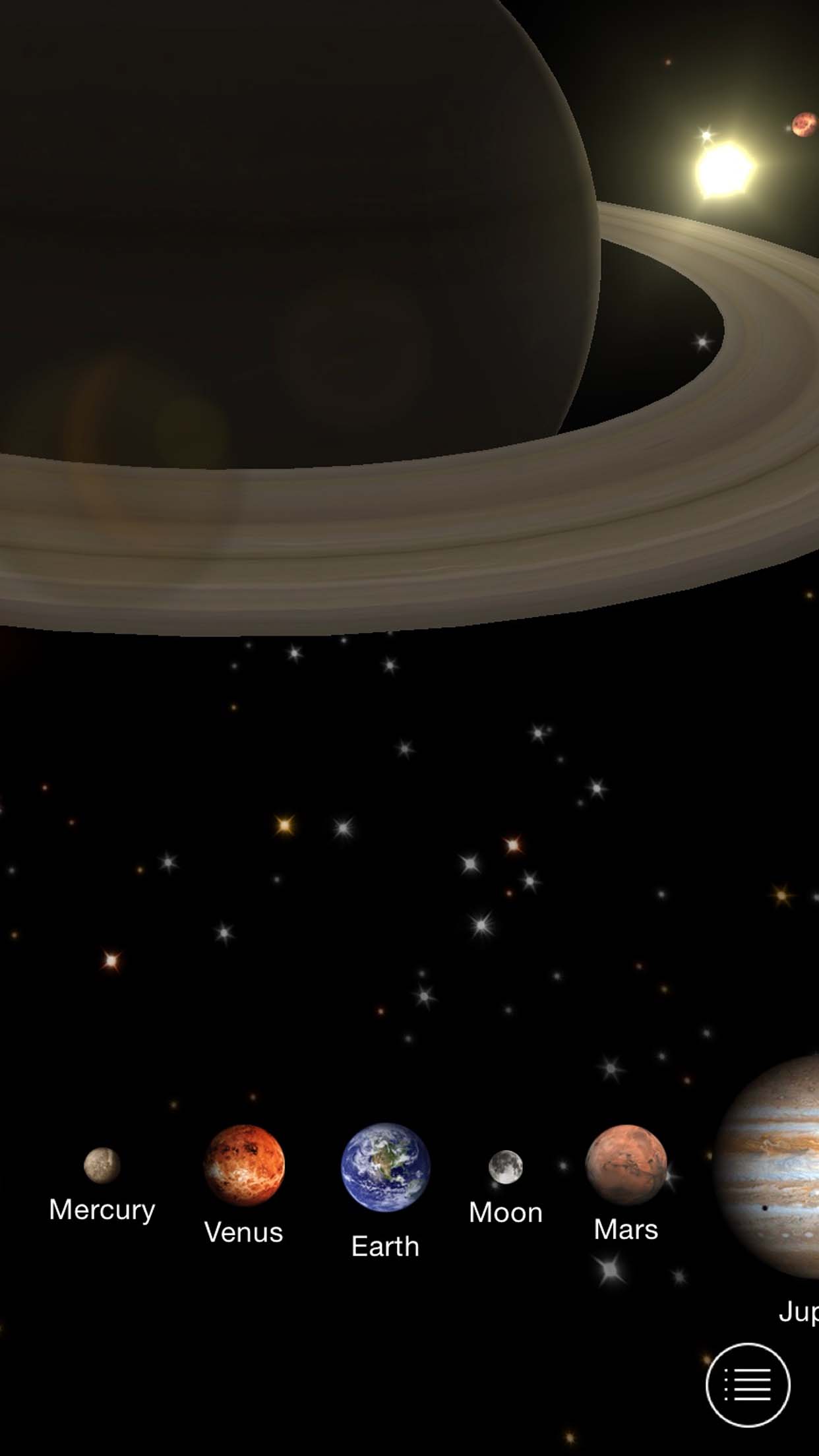
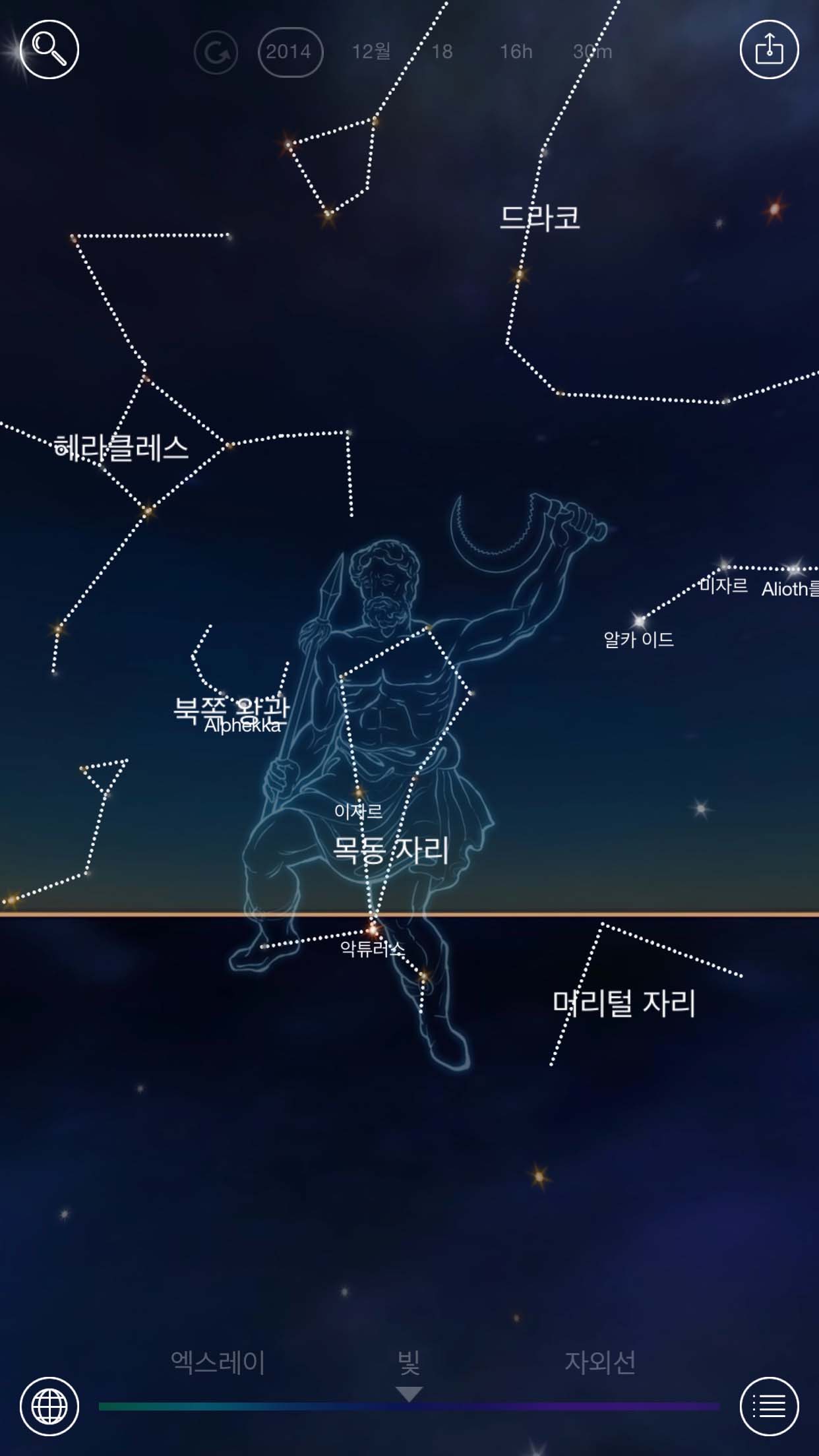
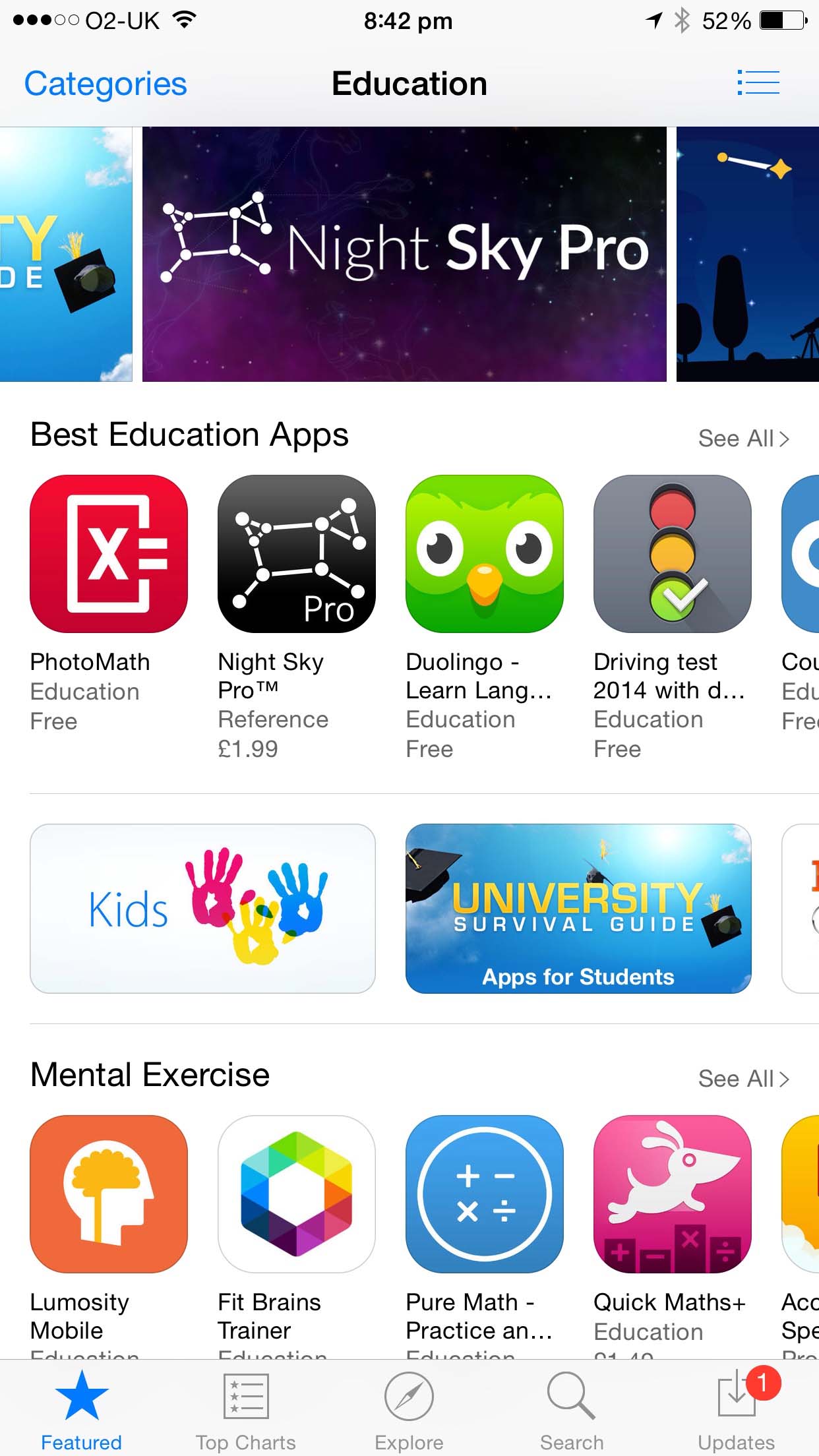
In 2014 we launched Night Sky Pro which was actually our version 3 offering. Night Sky Pro built further on advancements we brought to users in Night Sky 2. We introduced Night Sky Time Machine to travel forwards or backwards in time, our light spectrum array selector opening up visual parts of the Night Sky you had never seen before, and also included additional features such as world traveller mode enabling users to travel to any part of the world to view the sky from that location, and a new latest news section.
Night Sky MiniScope, Night Sky on Apple Watch and Night Sky on Apple TV (2015)
In 2015 we introduced our first piece of hardware to the world – Night Sky MiniScope. Night Sky MiniScope was a beautiful small telescope, small enough to take anywhere and designed to attach to your iPhone. Used in conjunction with the Night Sky apps it enabled you to take great photos of objects in the Night Sky revealing detail such as craters on the Moon, and astrophotography features such as star trails. This was a massive step for iCandi Apps bringing logistics of physical hardware delivery to the world and led us into new adventures such as designing beautiful packaging, and marketing a physical product whilst developing software to work in harmony with the MiniScope.
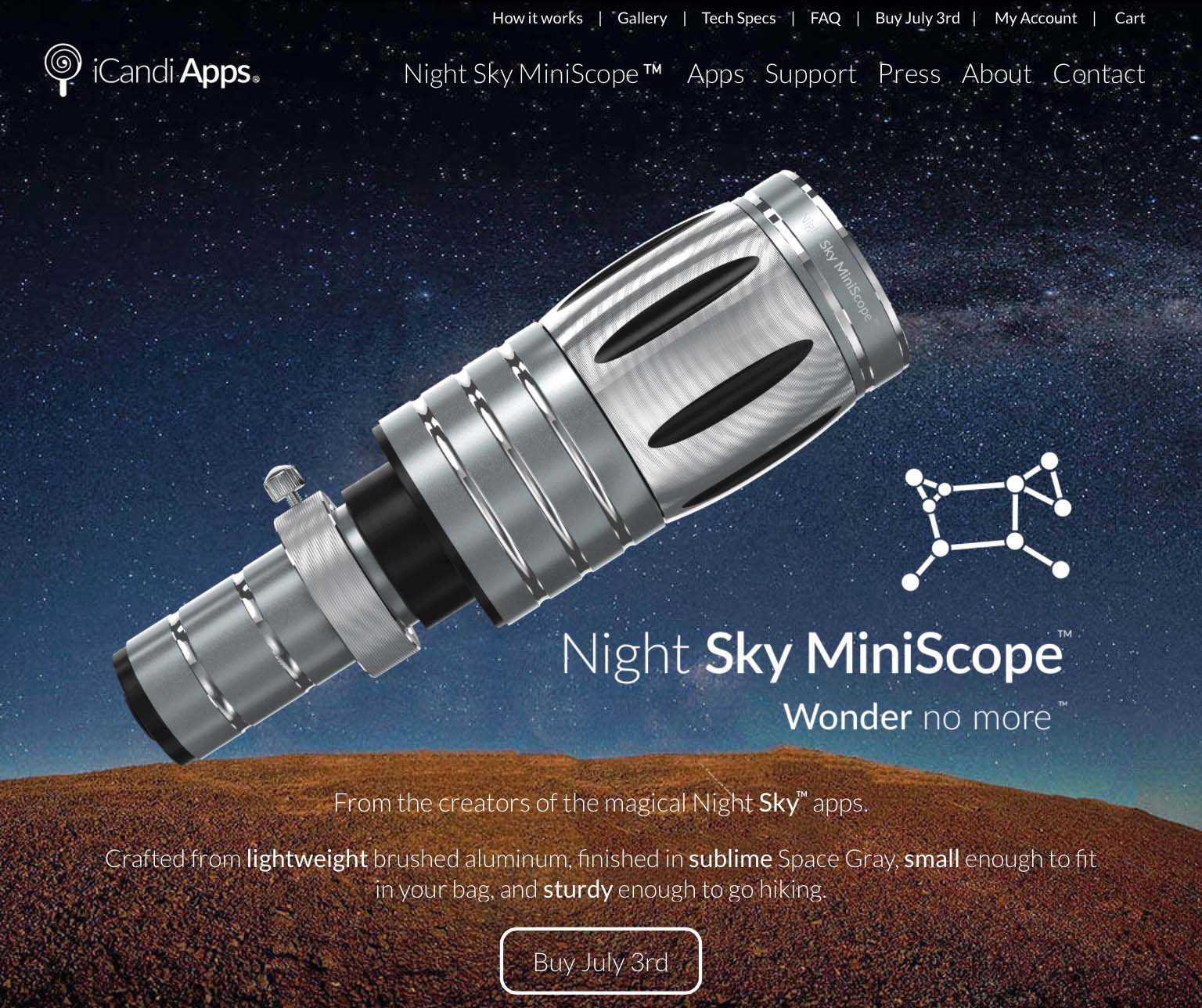
(This product is no longer available to purchase.)
2015 also saw the year we brought Night Sky to Apple Watch on Apple Watch launch day. Providing our most personal experience of Night Sky to users. We also brought Night Sky to the big screen in 2015 on Apple TV, creating the perfect way to share the magic of the sky with friends and family from the comfort of your living room, also a great educational application for the classroom.
Night Sky on macOS and Night Sky 4 (2016)
2016 kicked off with us releasing a refresh of Night Sky on macOS in January. We brought all of the features from Night Sky version 3 to the desktop, making a really convenient way to study the Night Sky, particularly useful for research projects.
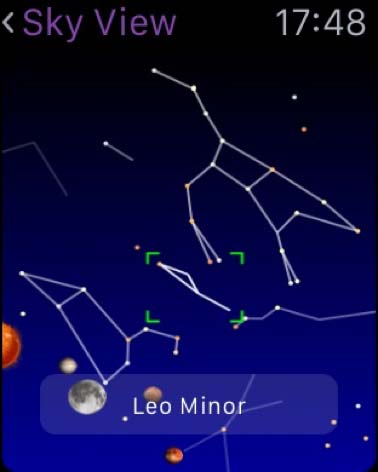
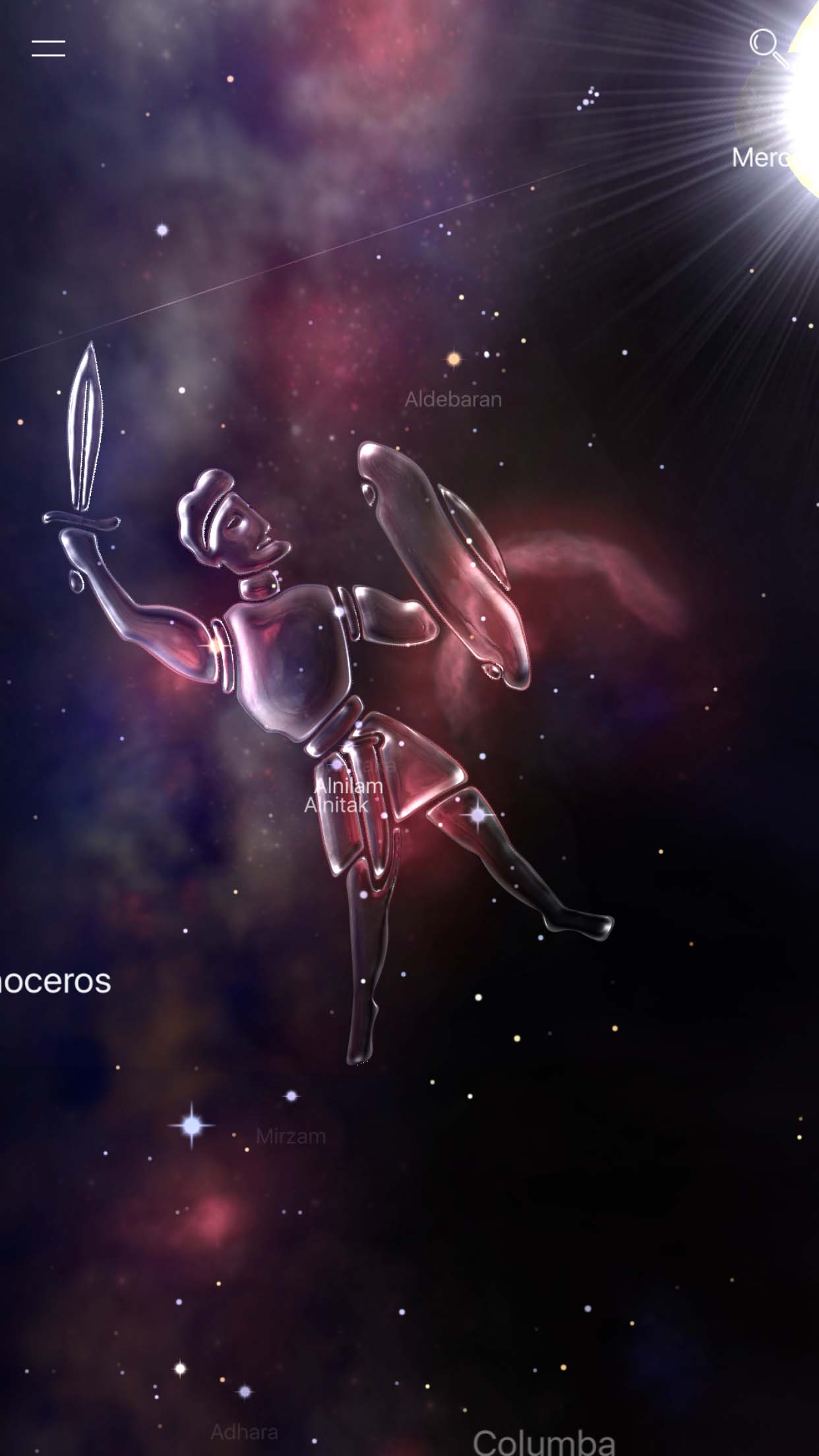
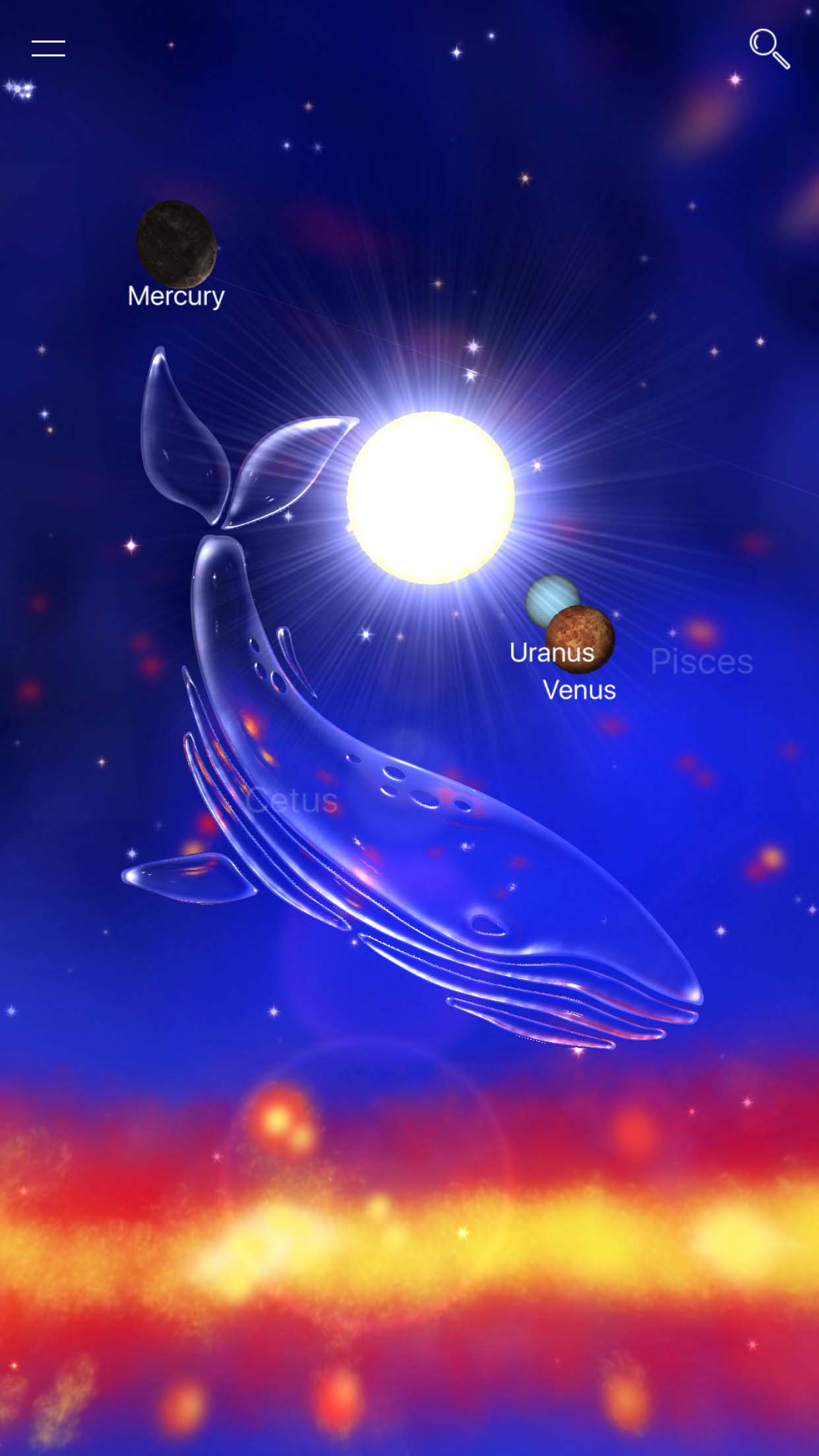
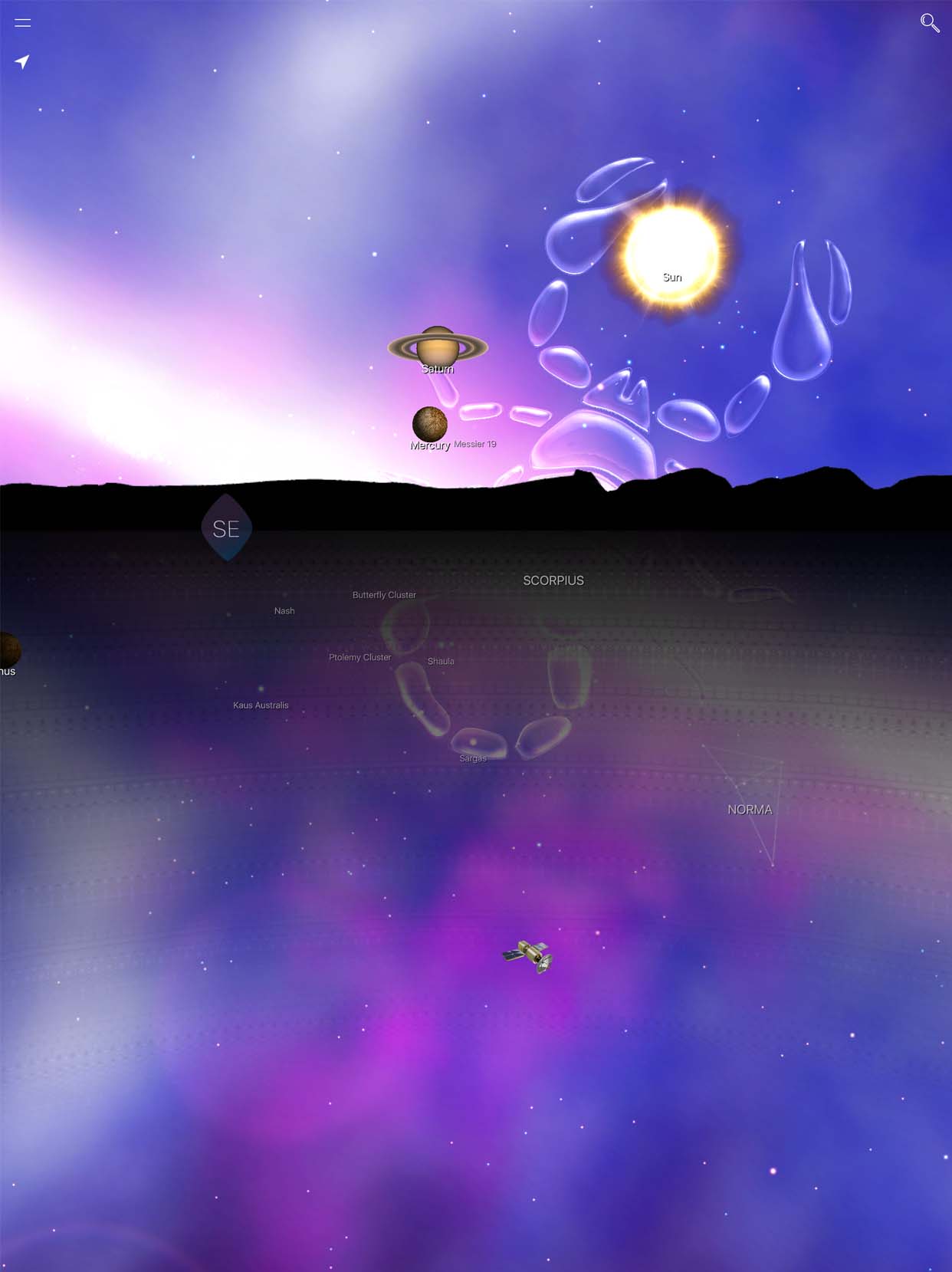
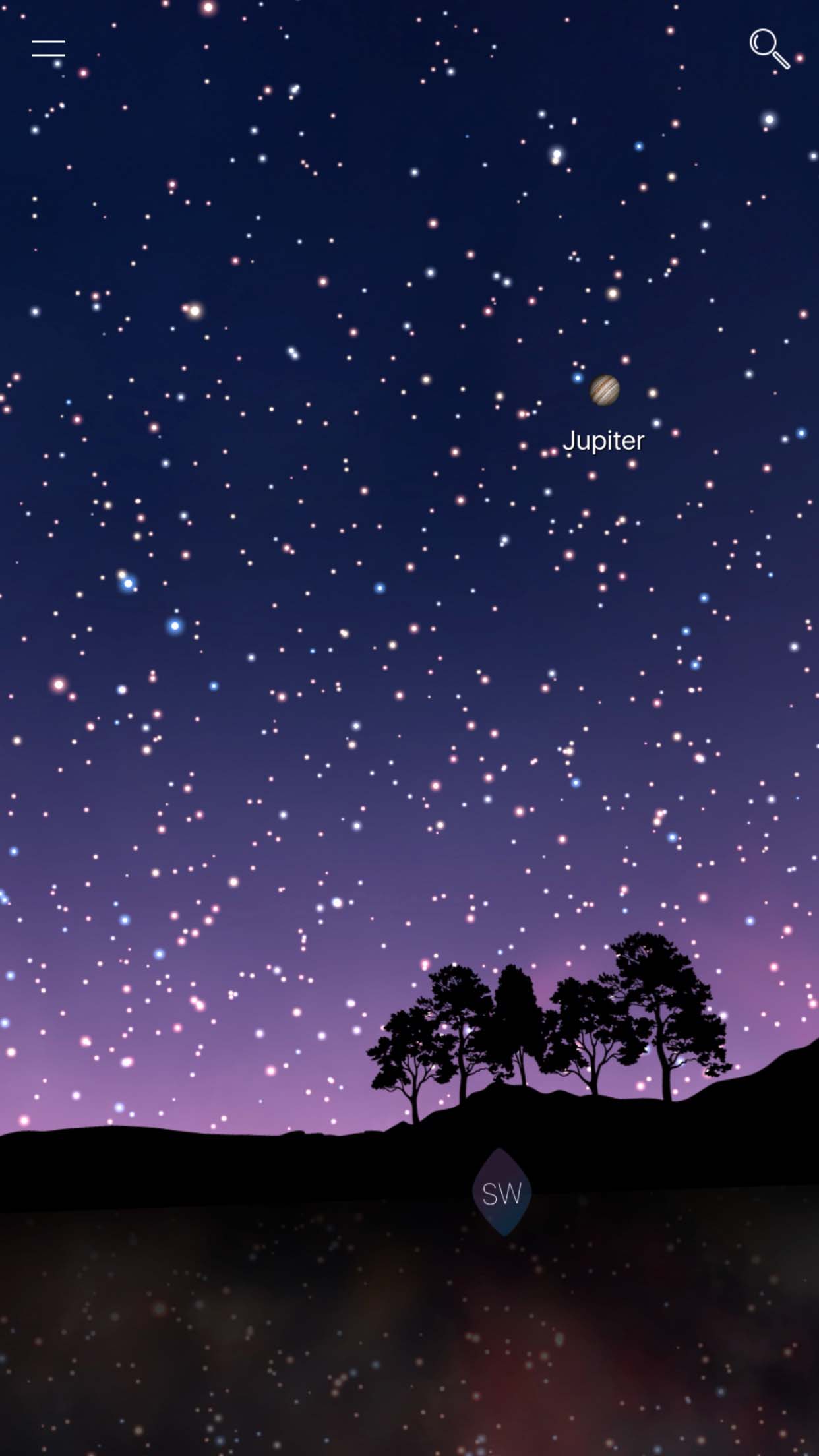
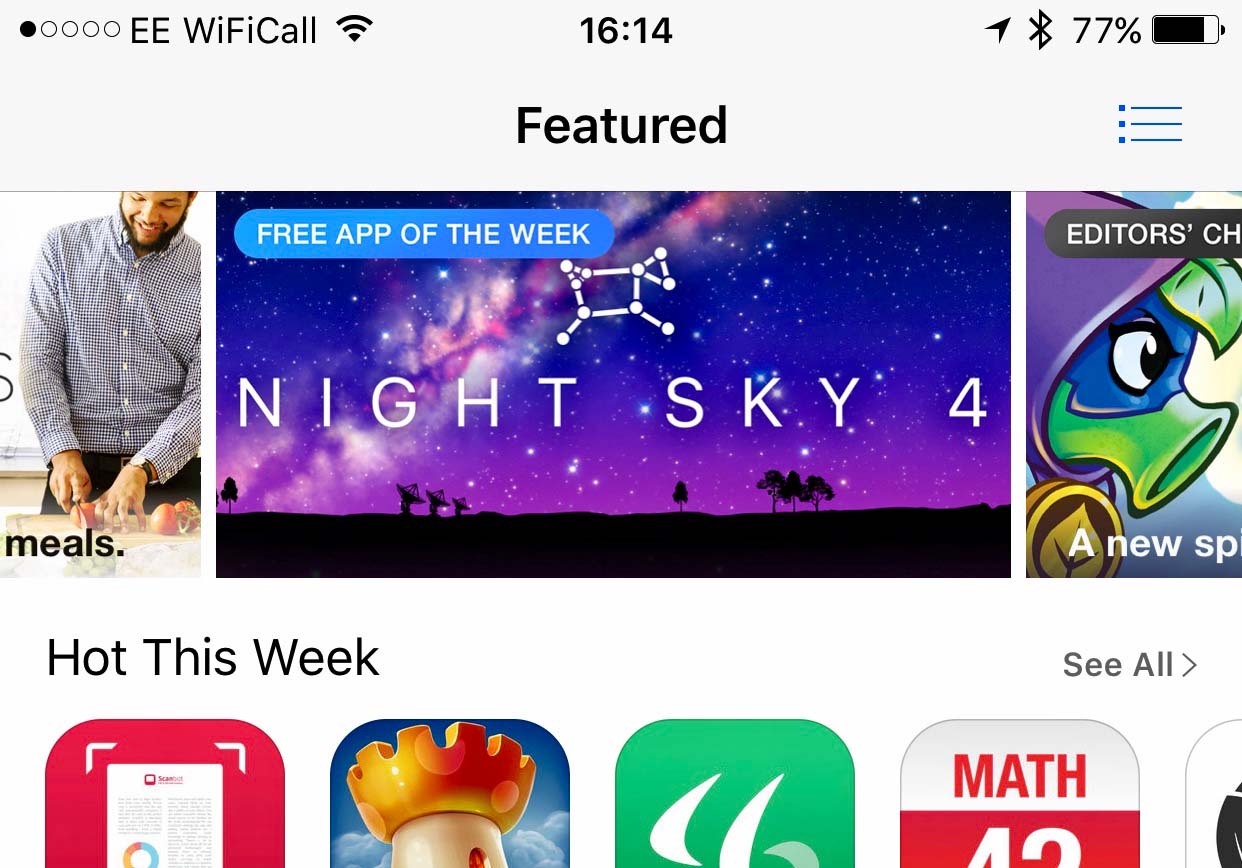
The big change in 2016 was Night Sky 4. Night Sky 4 was not only a huge leap forward in innovation and technology, it was also a huge leap forward for iCandi Apps. We completely rewrote Night Sky 4 from the ground up in Metal, enabling us to create beautiful Glass Constellations and add more than 115000 additional objects to the Sky View. We also did our own independent research and created a first – Moon Tours. Moon Tours allows you to land on the Moon and explore sites of interest as if you were there today something not done before. It also brought magic to our Apple Watch app. watchOS 3 enabled us to create the live Sky View on the Apple Watch for the first time, bringing the WOW factor users experienced back in 2011 on iOS, back to the most convenient device for it yet – Apple Watch. This saw Night Sky 4 featured in the September 2016 Apple Keynote live in San Francisco, a great honour for our app and our company.
Night Sky 5 (2017)
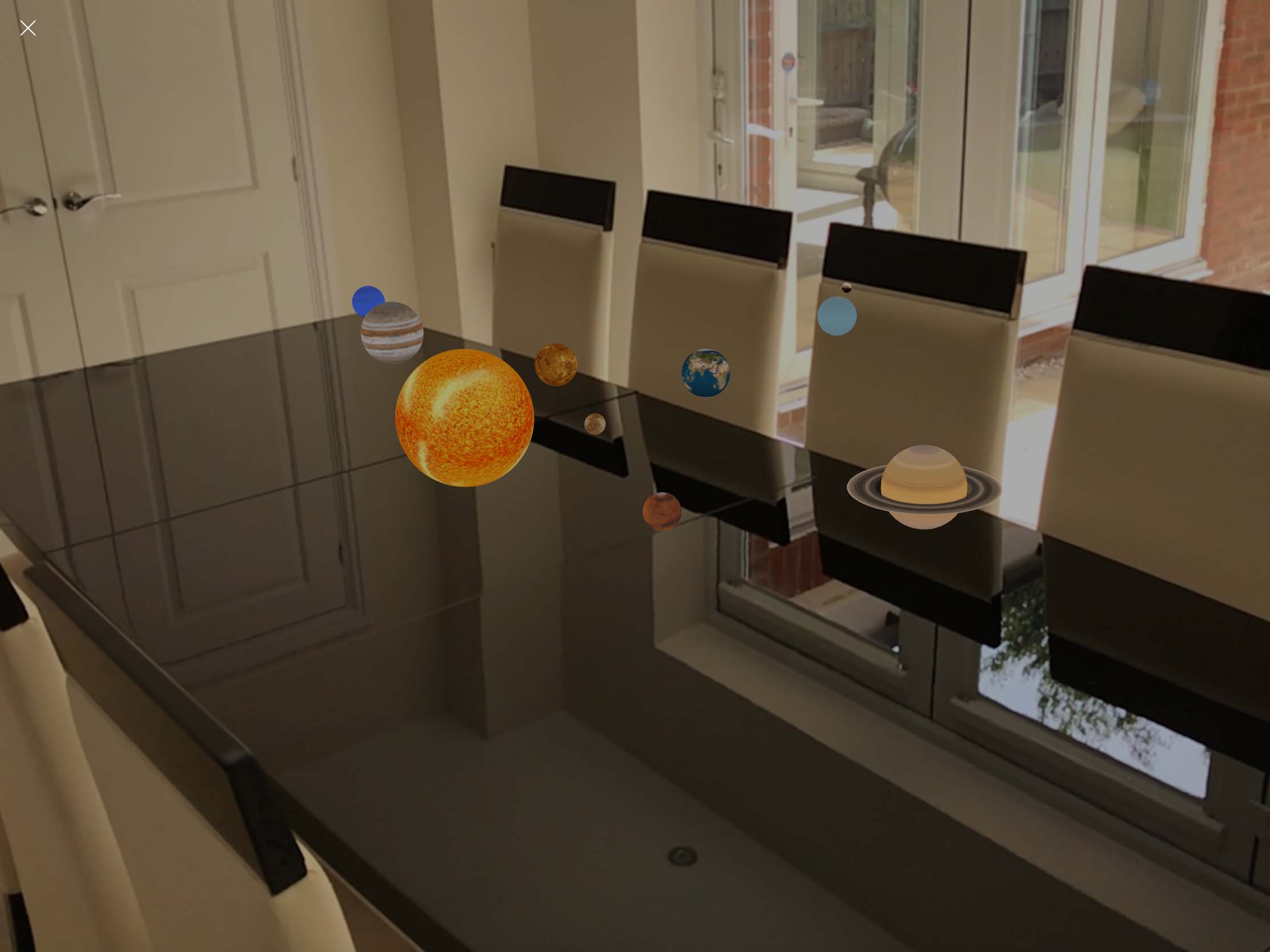
Night Sky 5 saw us start to introduce more immersive augmented reality experiences due to the introduction of new technologies such as ARKit. Night Sky 5 introduced the AR Grand Orrery, an interactive model of the Solar System, and also integrated the Sky Tours from Apple TV, enabling users to get a tour of the sky for any location in the world. We also adapted the Sky Tours function to enable Live Sky Tours, where Night Sky would generate an immediate tour for the sky above you in the moment.
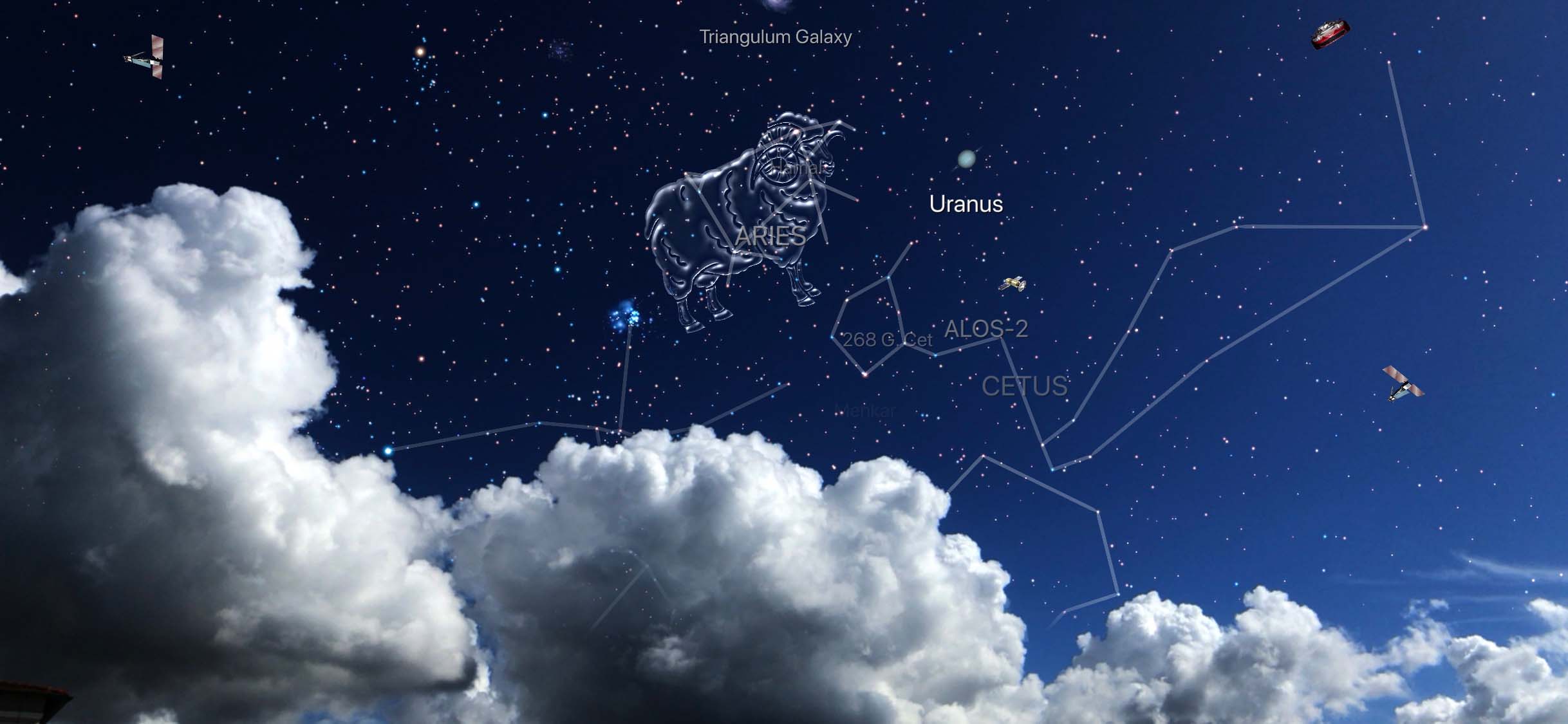
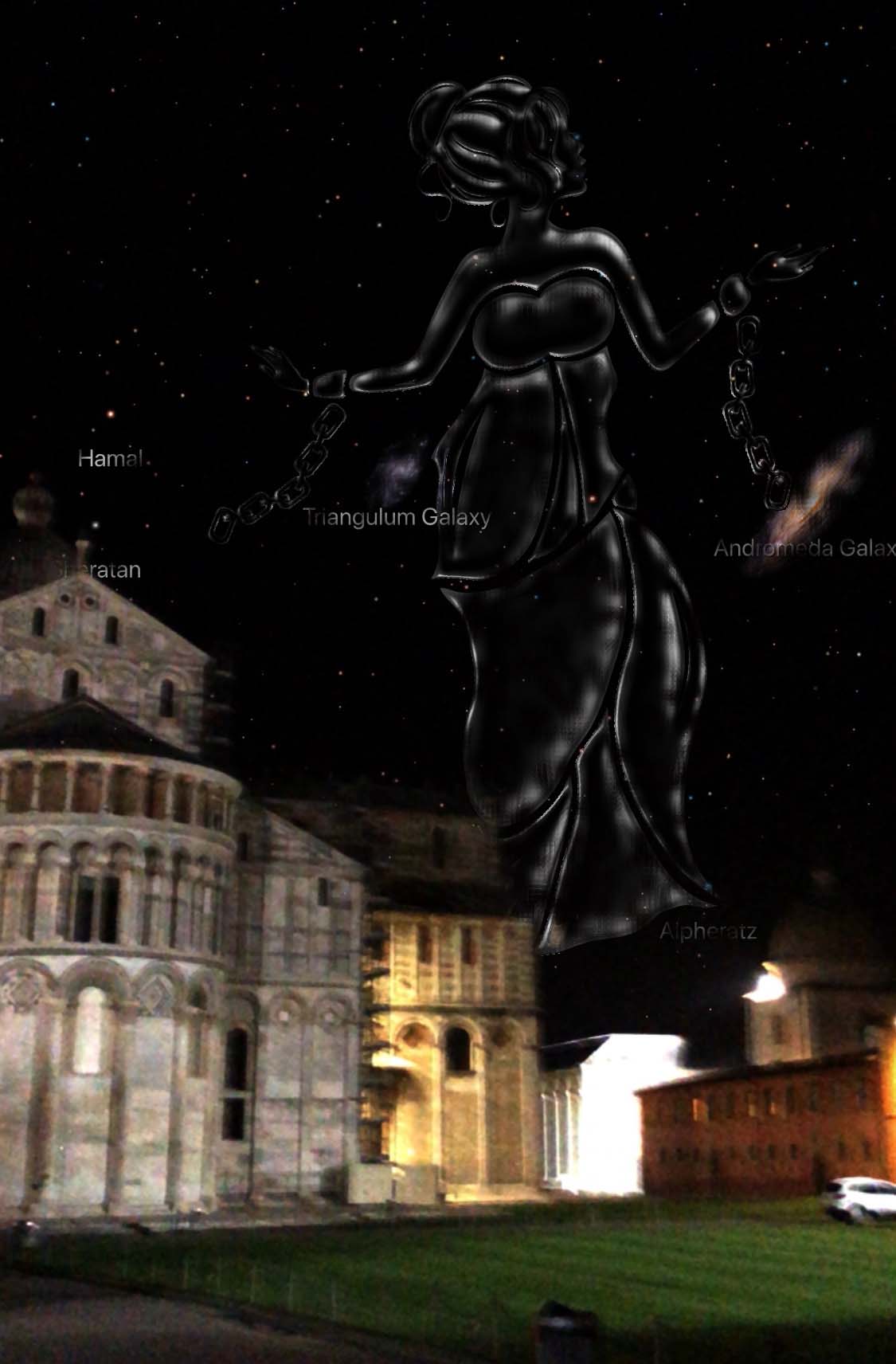
In early 2018, we then introduced an immersive new experience to Night Sky in the 5.5 update called AR Sky Blending. AR Sky Blending intelligently placed the sky map into the view via the camera on iPhone or iPad, and placed it behind objects in the foreground, detecting obstacles such as buildings, trees or clouds to create a new level of AR immersion.
Night Sky 6 (2018)
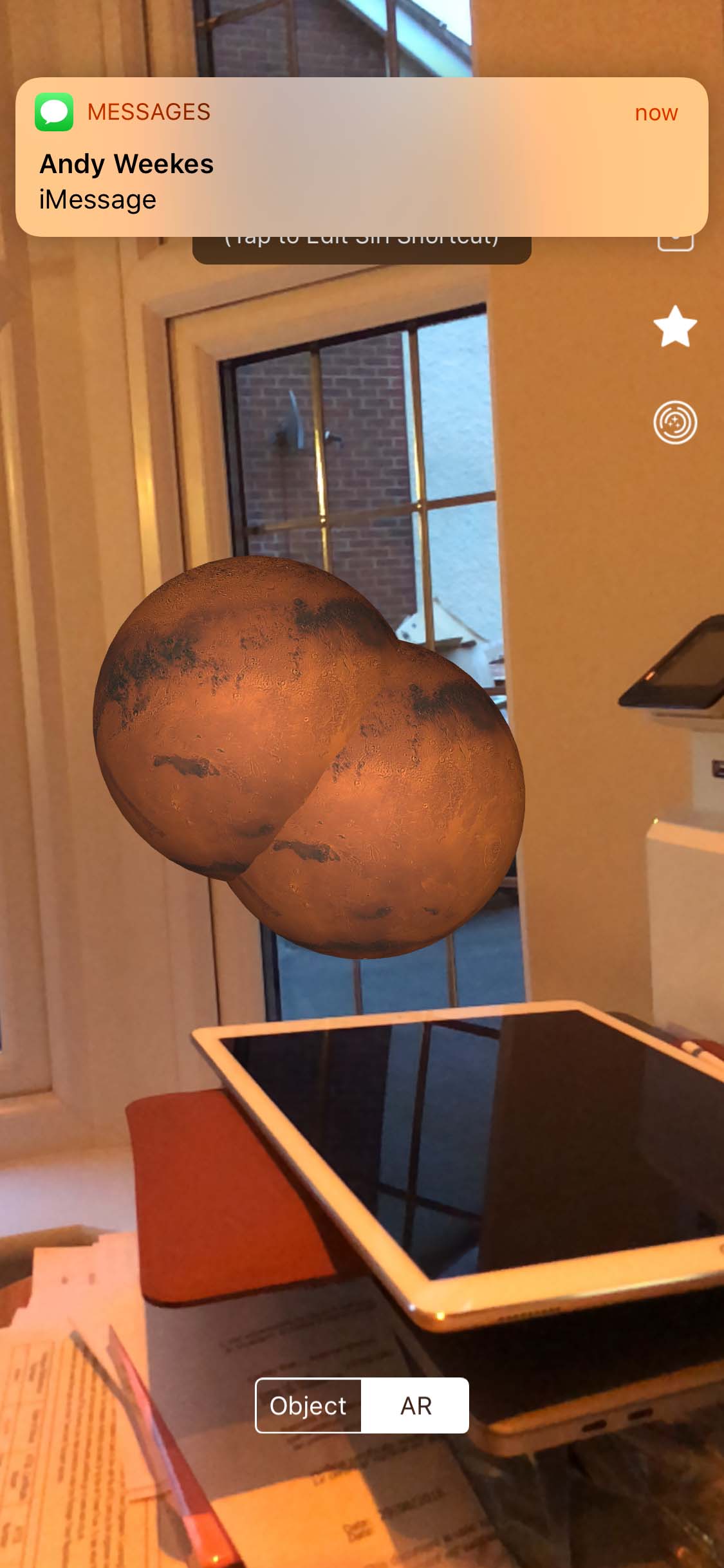
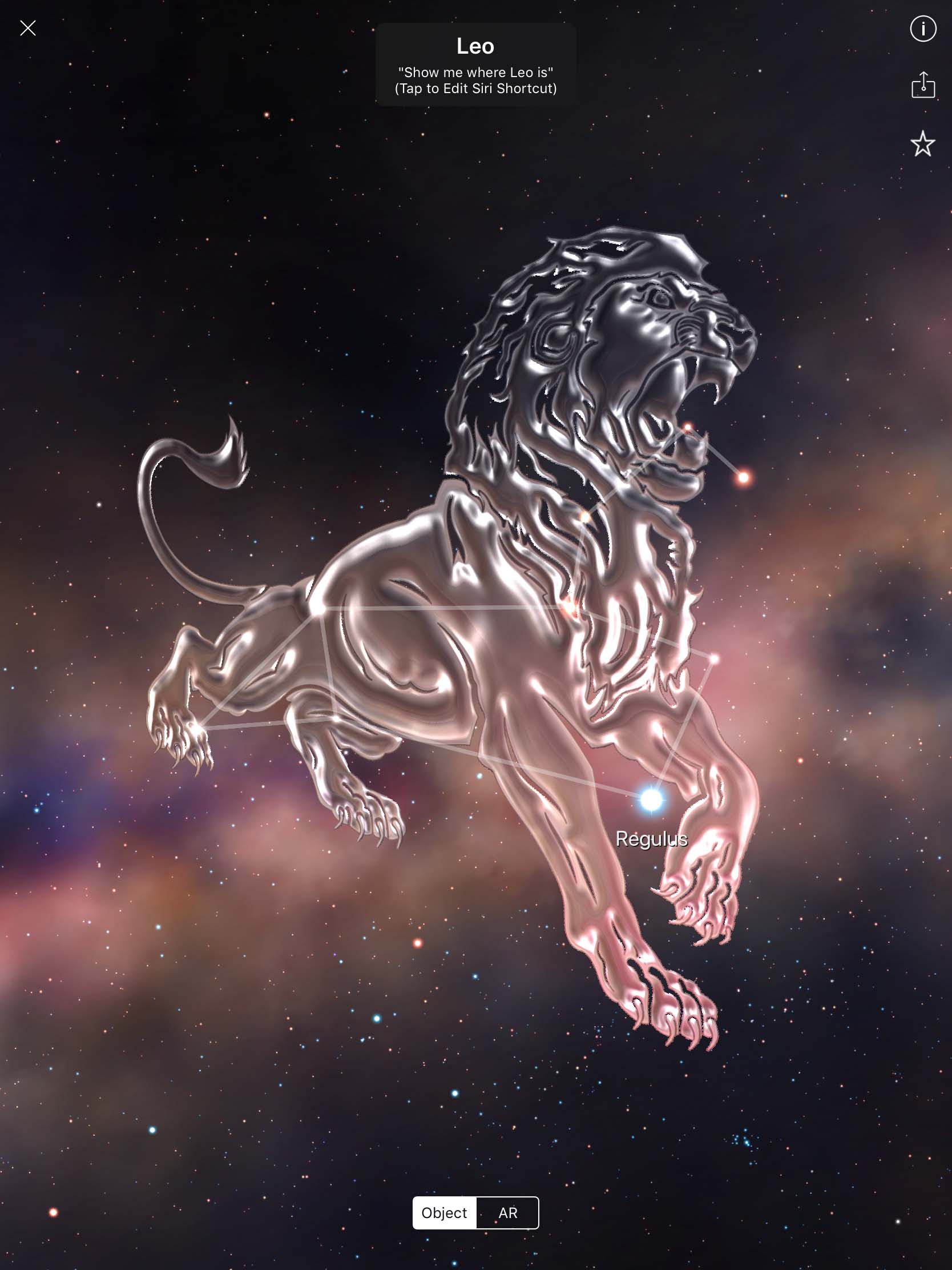
Night Sky 6 continued to build on immersive AR experiences thanks to improvements in ARKit technologies, gradually merging AR models into the existing Sky View, enabling users to essentially pull objects out of the sky to view them in detail in front of them in their classroom or home. We used this opportunity to not only pull planets and stars out of the sky, but to enable users to pull entire Glass Constellations out of the sky to view their depth structure in 3D or AR.
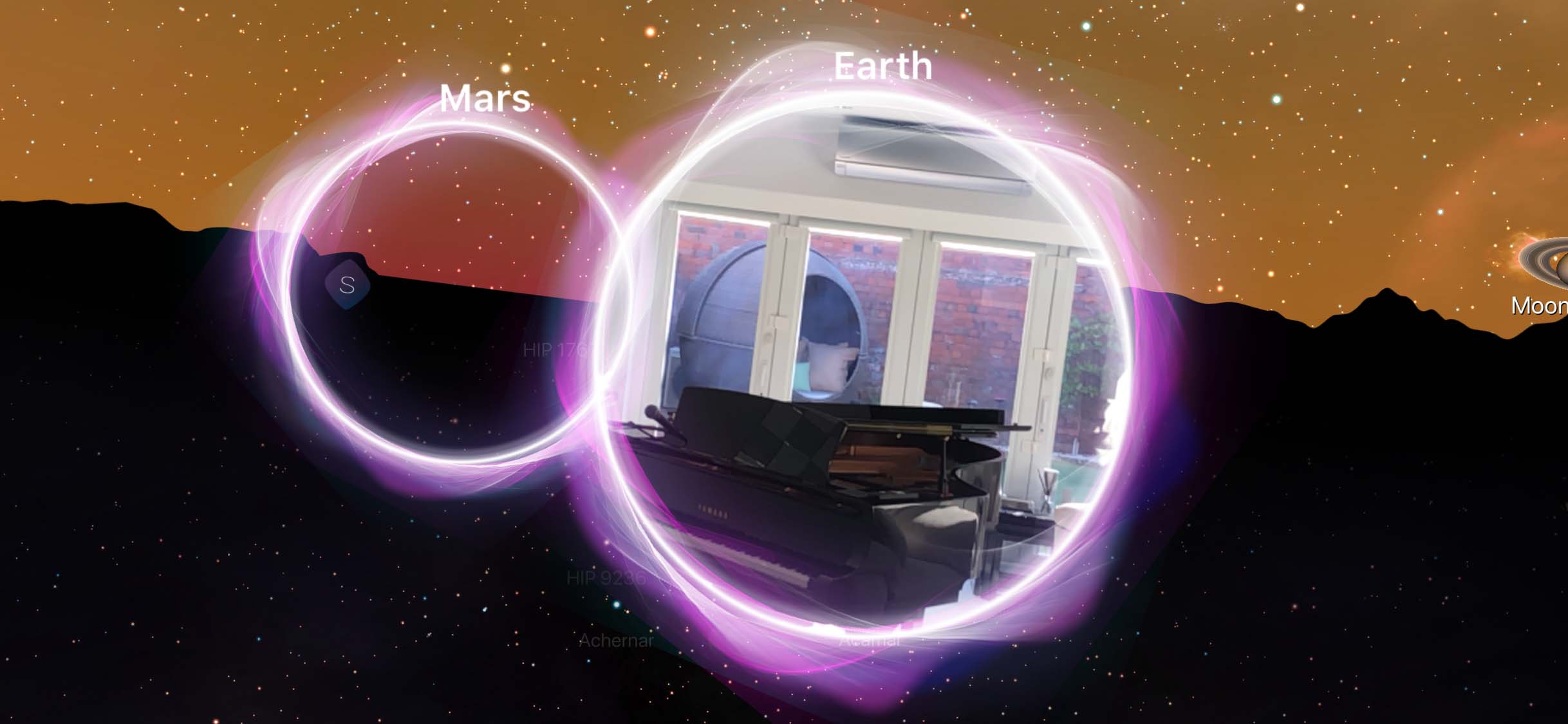
Night Sky 6 also took AR experiences even further with the introduction of Planetary Portals, enabling users to walk onto the surface of other planets to view the sky as it would look from the surface of that planet.
Night Sky 7 (2019)
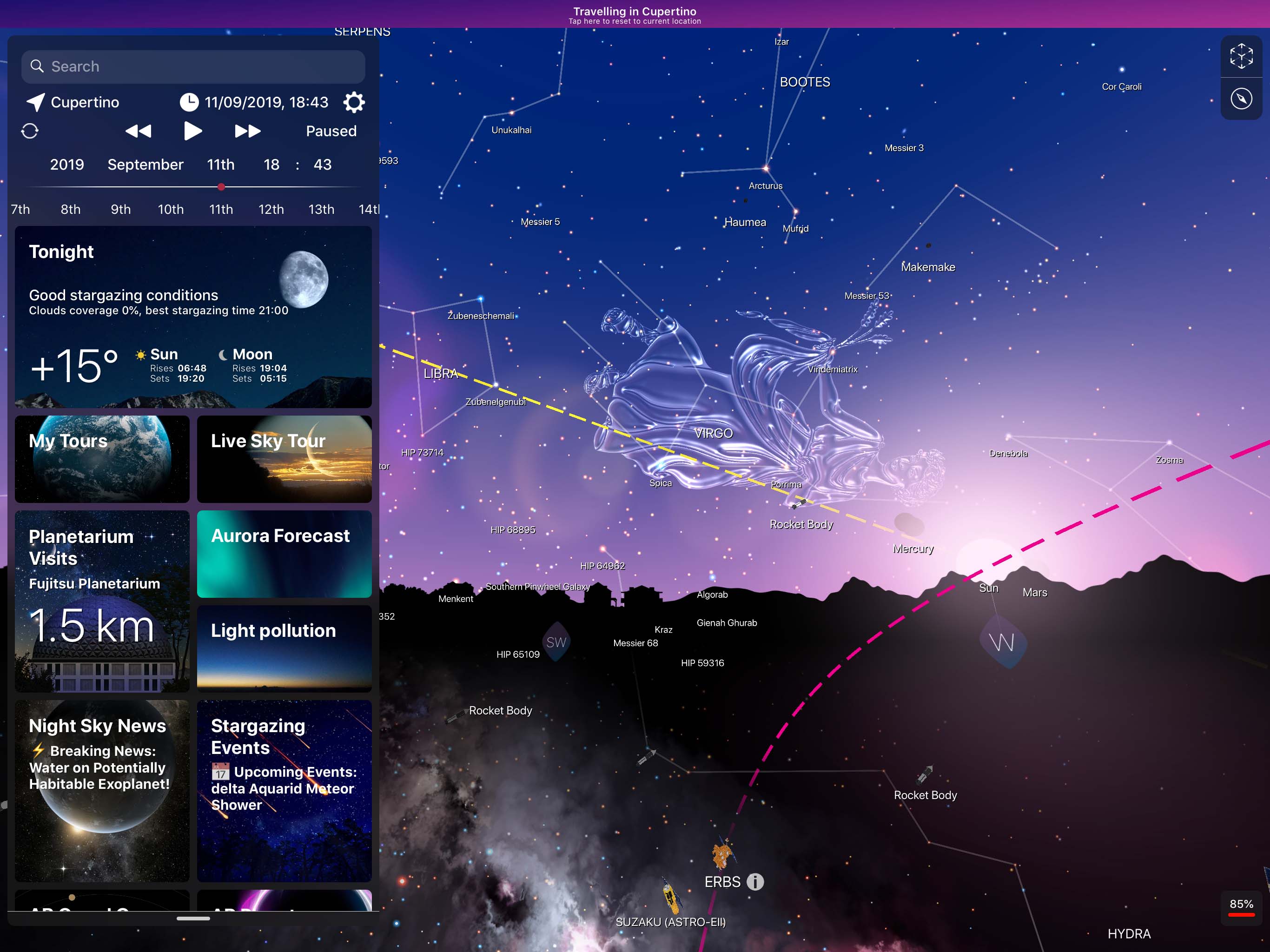
Night Sky 7 introduced over 60 million more stars to the Sky View enabling user to zoom into space further than ever before in Night Sky! This started to pave the way for the next version of Night Sky, and served as a stepping stone for us to start adding vast amounts of more detail to the Night Sky map (see Night Sky 8).
We also spent a lot of time enhancing the user interface in Night Sky 7, reimagining how users should interact with the search and discovery of other features within the app. We made Night Sky feel more familiar to users by making Search work similarly to other iOS apps.
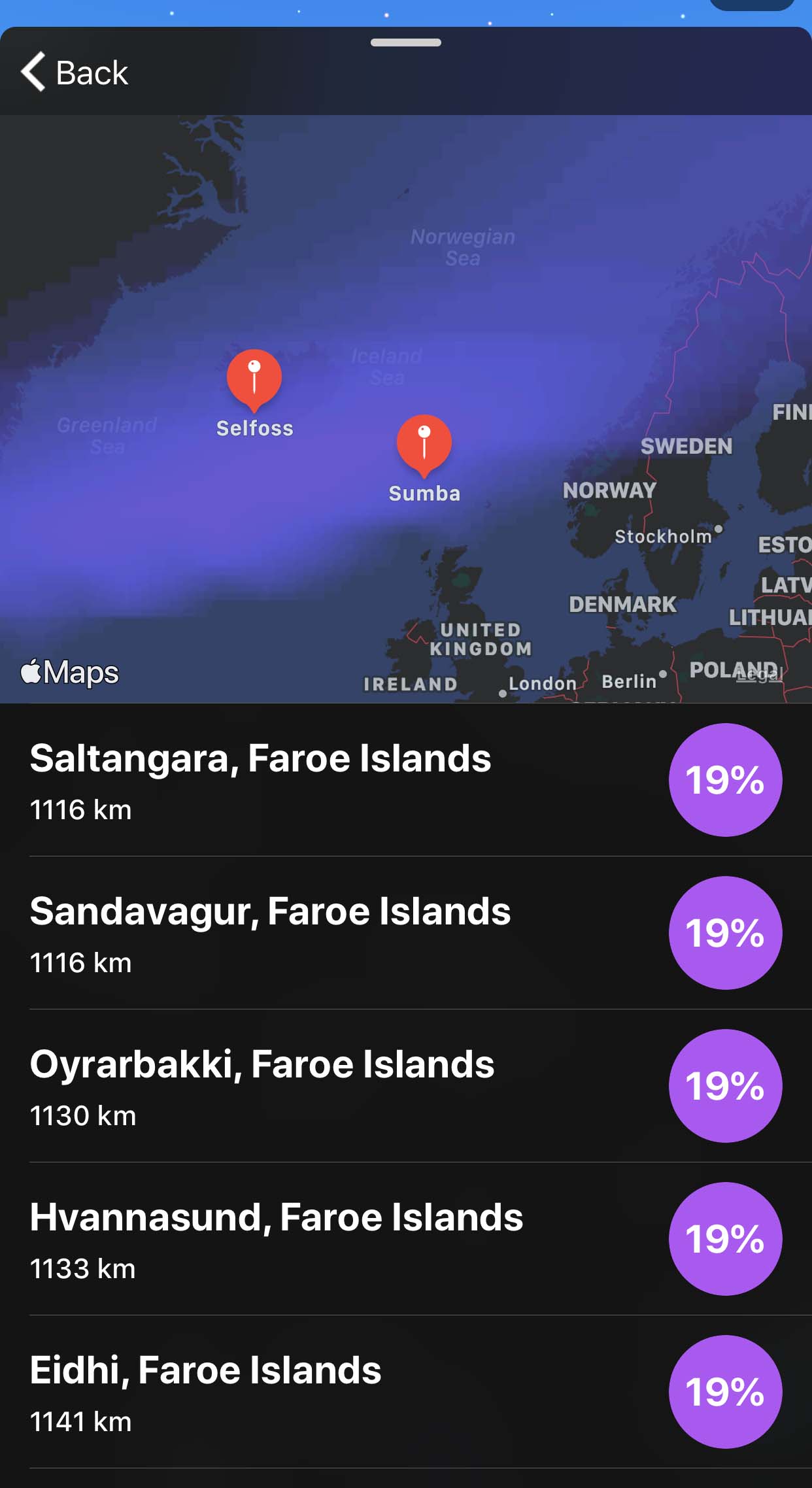
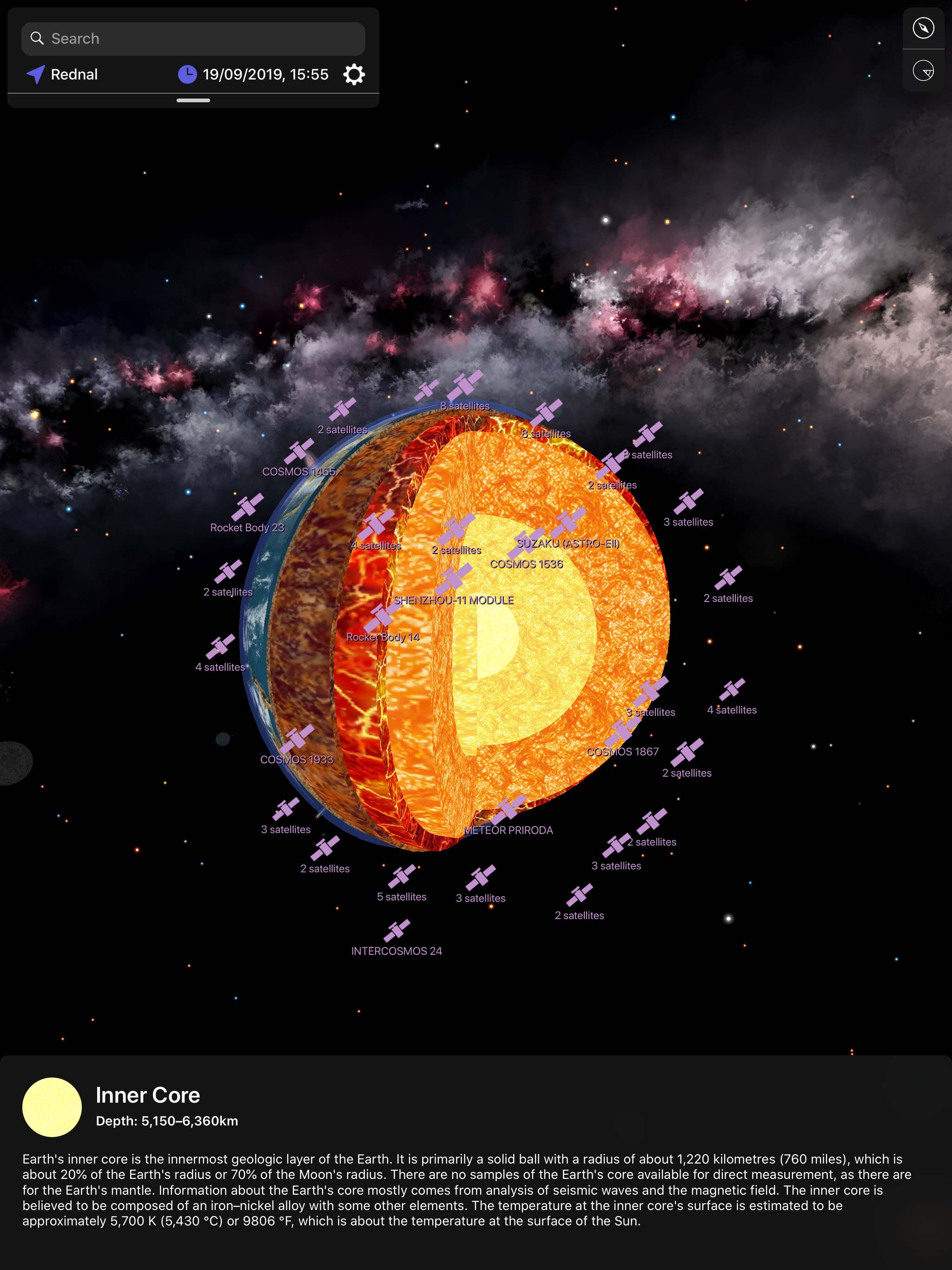
Other new and useful features debuted in Night Sky 7, including Aurora mapping, showing the probability of being able to view the Aurora dependent on location, inner planet core models, and also Night Sky Mindfulness, a really engaging way to enhance one of the most natural mindful experiences – stargazing.
Night Sky Education Centre (2020)
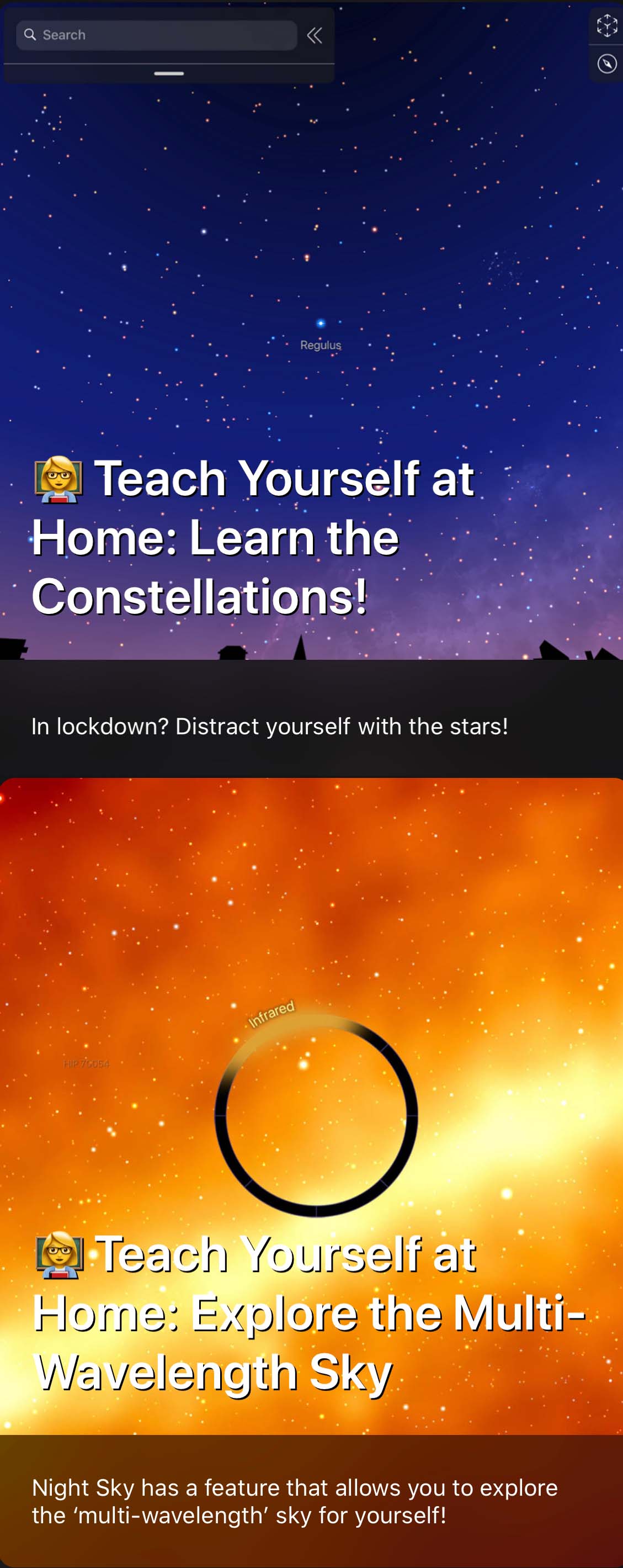
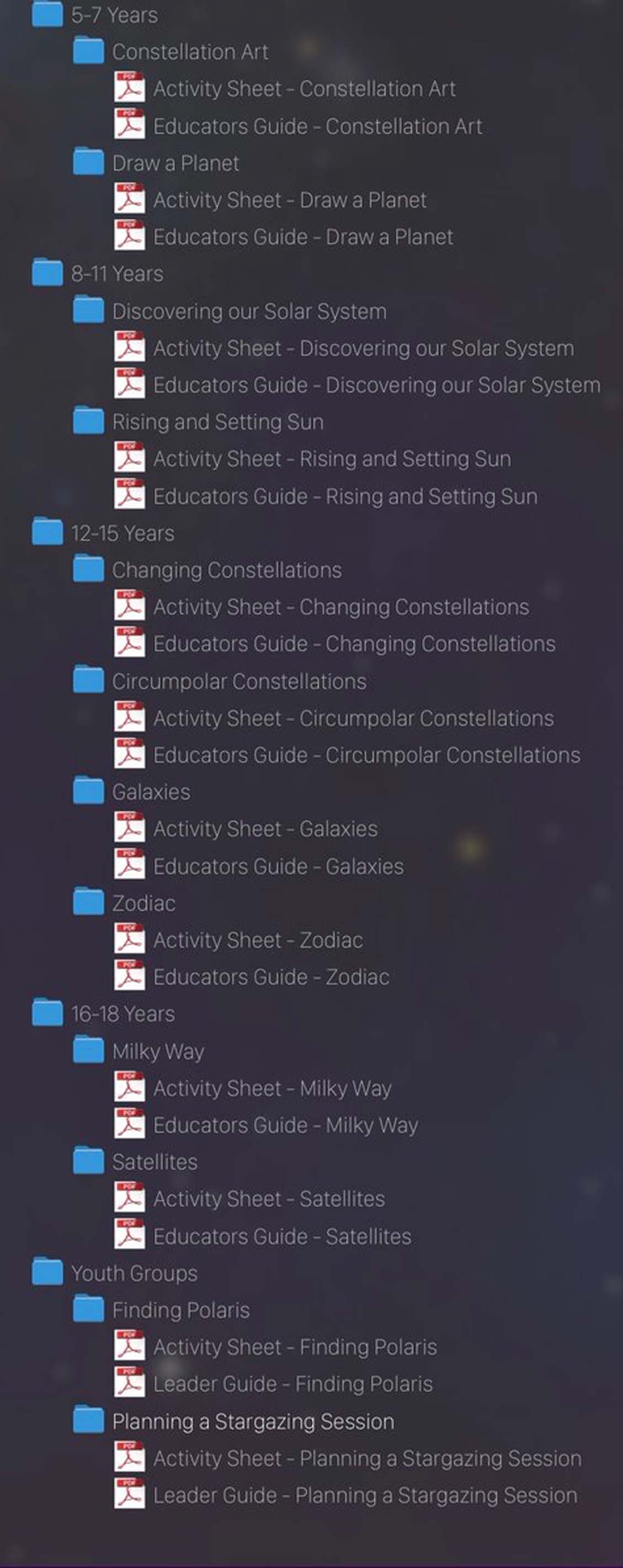
When the global pandemic hit in 2020, we tried to think of ways we could do our bit to help. Night Sky’s role as a key education tool, made us rethink ways we can help educators leverage this tool for students when they are at home. As a result we quickly started running a series of “Teach yourself at home” lessons, bringing astronomy based activities to students and we varied ability. This then led to us eventually forming the Night Sky Education Centre, with a dedicated staff role within the company, where new content for educators and students is delivered every month, creating a vast resource of activities for anyone to get the best educational experience with Night Sky. This resource continues to grow in content and is available for free at NightSky.com, or from within the Night Sky app.
Night Sky 8 (2020)
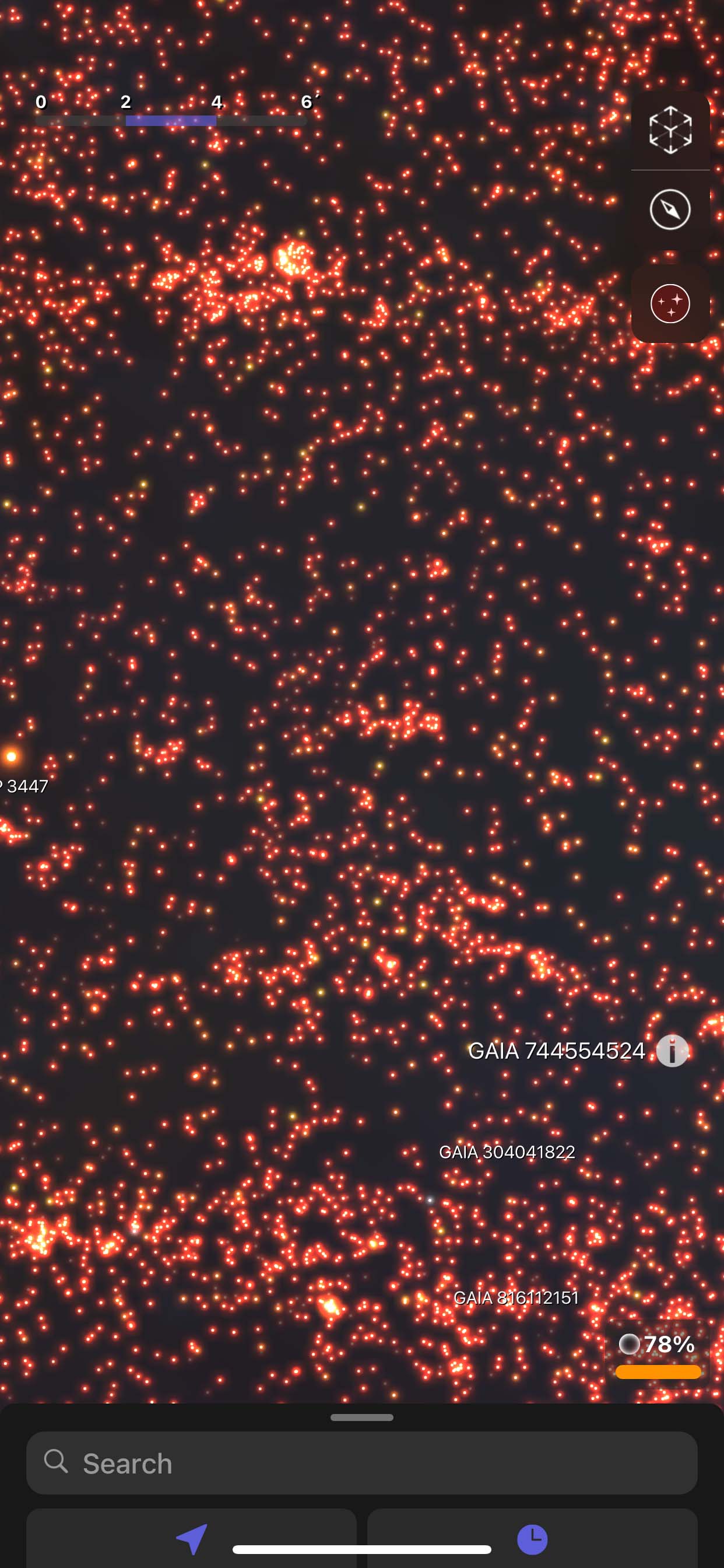
Night Sky 8 drastically added depth and detail to the Sky View by over 10X compared to Night Sky 7. We added 1.7 billion stars which presented a massive technical challenge for us. We did this by adding the GAIA database of stars, but to deliver this vast amount of data to a mobile device required overcoming technical challenges on how to manage this much data. We did this by setting up multiple servers that literally stream the stars from the cloud as the user zooms into the depths of space. It wasn’t possible to store this entire database directly on mobile devices, as it would take up too much storage, so this was an innovative way to deliver this data.
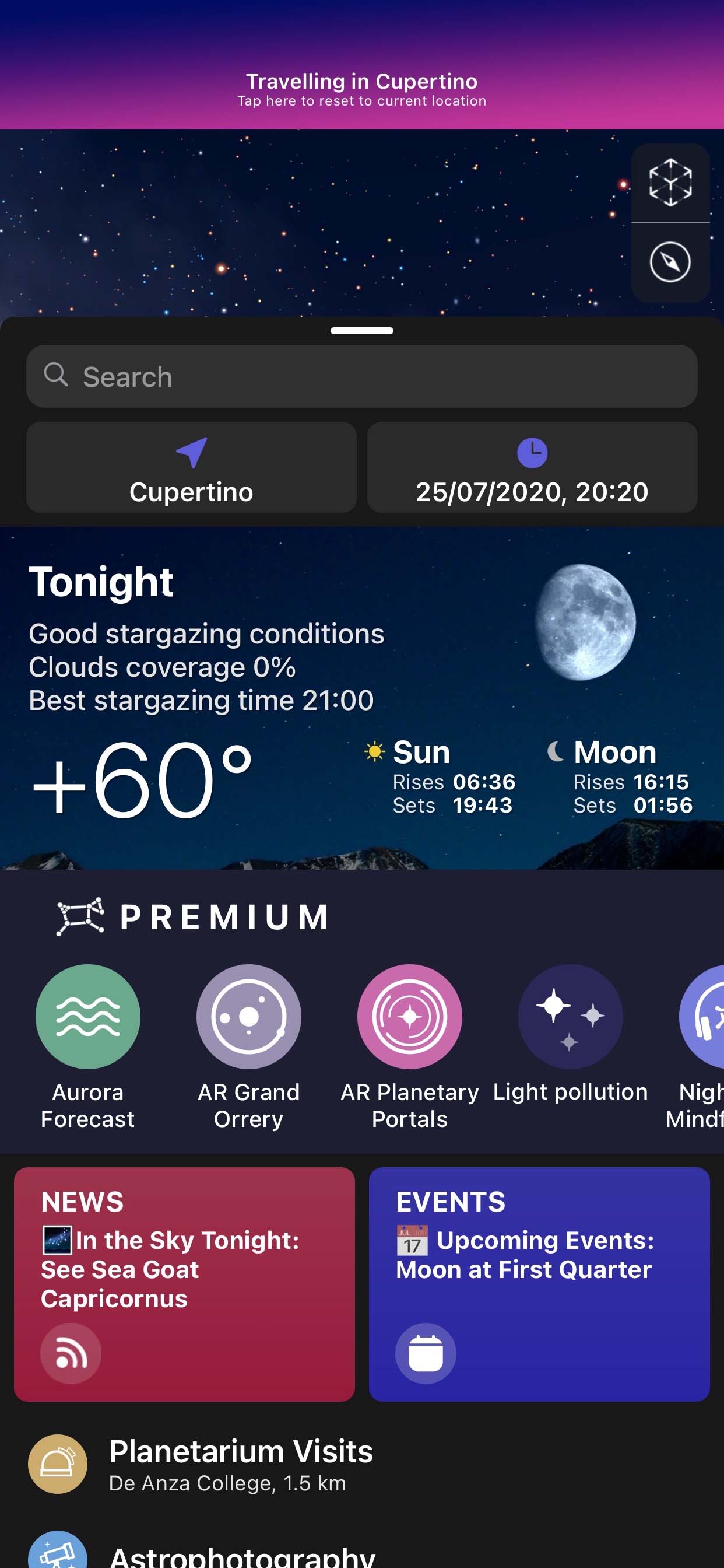
We also introduced Starlink string flyover notifications, as users very often liked to see a batch of these satellites pass overhead. Additionally we added new widgets introduced in iOS 14, a new Night Sky Watch face. We also enabled Family Sharing meaning multiple members of the same family can all enjoy Night Sky Premium with just one subscription.
Why no Night Sky 9?
After Night Sky 8 we started development on Night Sky X (version 10). We decided to miss Night Sky version 9 because we wanted to align the Night Sky version number releases with the 10th anniversary of Night Sky launching. Back after the launch of Night Sky 1, there was an 18 month pause in major releases that always kept the version number a year behind the anniversary, so we thought what better time to correct this than Night Sky’s decade celebrations by jumping to version 10.0!
Night Sky X (2021)
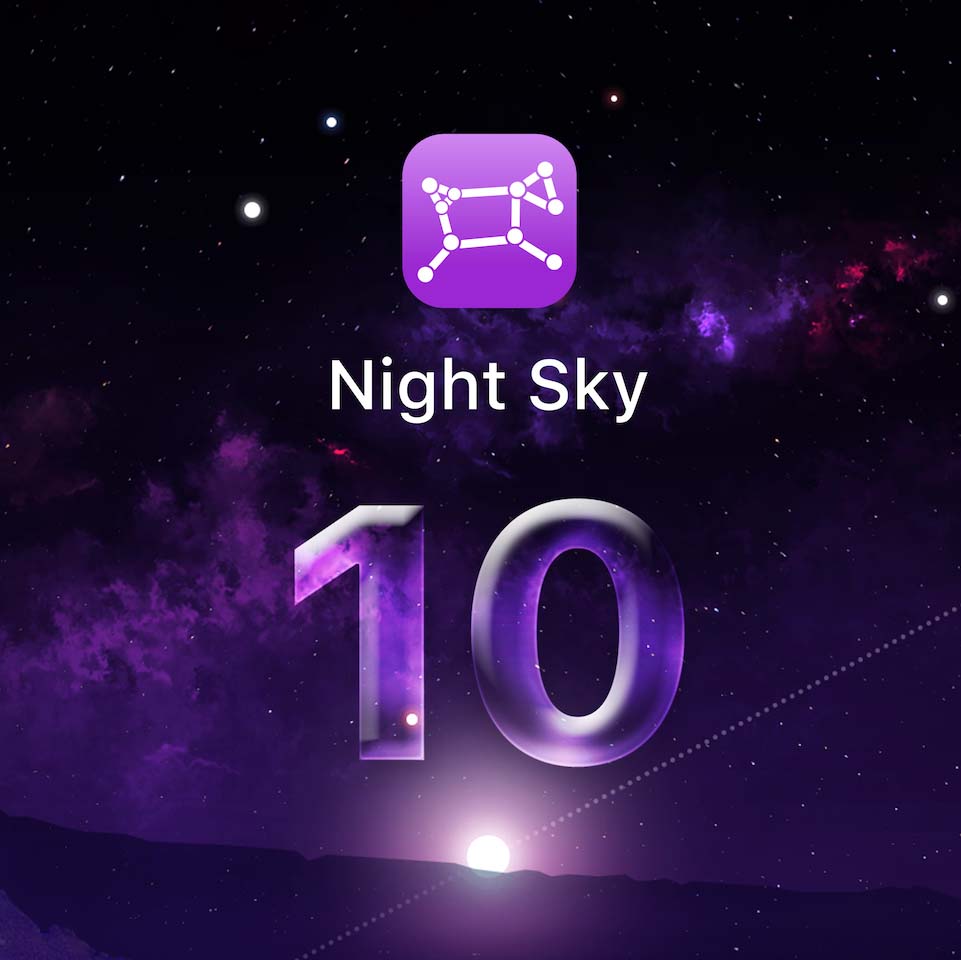
Night Sky X was the first version of Night Sky since Night Sky 4 to be released with the version number in the name. This was done as a way to celebrate the decade of development to what has become the most popular astronomy app in the world.
Night Sky X introduced some major firsts never seen before including Sky Tags, and a new Connected Stargazing experience made possible thanks to SharePlay in iOS 15.
Sky Tags were inspired by pins in maps, and they essentially allow the user to tag any object they can see in the sky, or any sky co-ordinates. This makes Night Sky extremely customizable and personal, allowing you to tag objects such as favorite stars, planets, observation planning, or memorials to someone. Sky Tags are then synced via iCloud to Night Sky on tvOS and macOS. We even made it so users can share Sky Tags like you can with pins in Maps, and so others can find your Sky Tag.
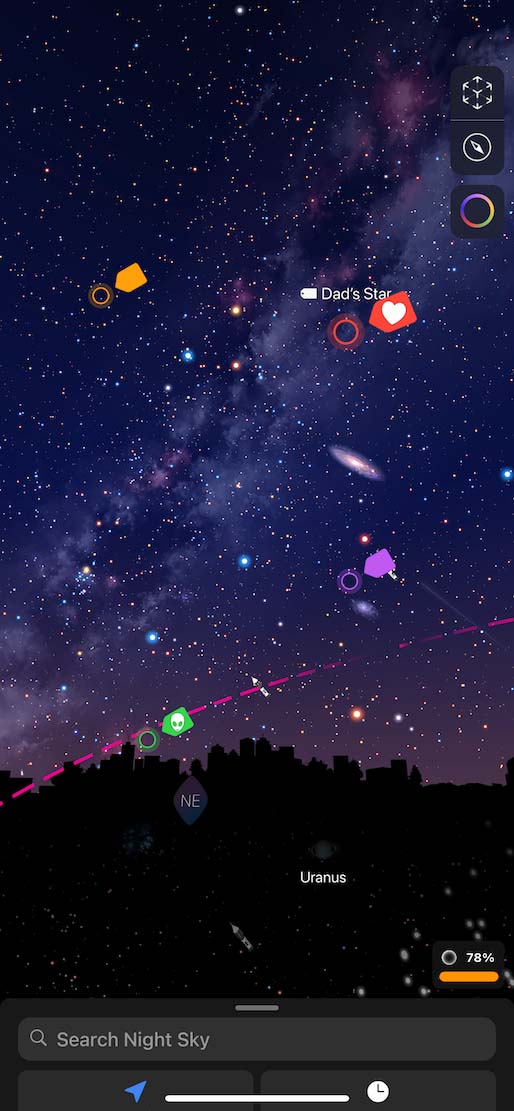
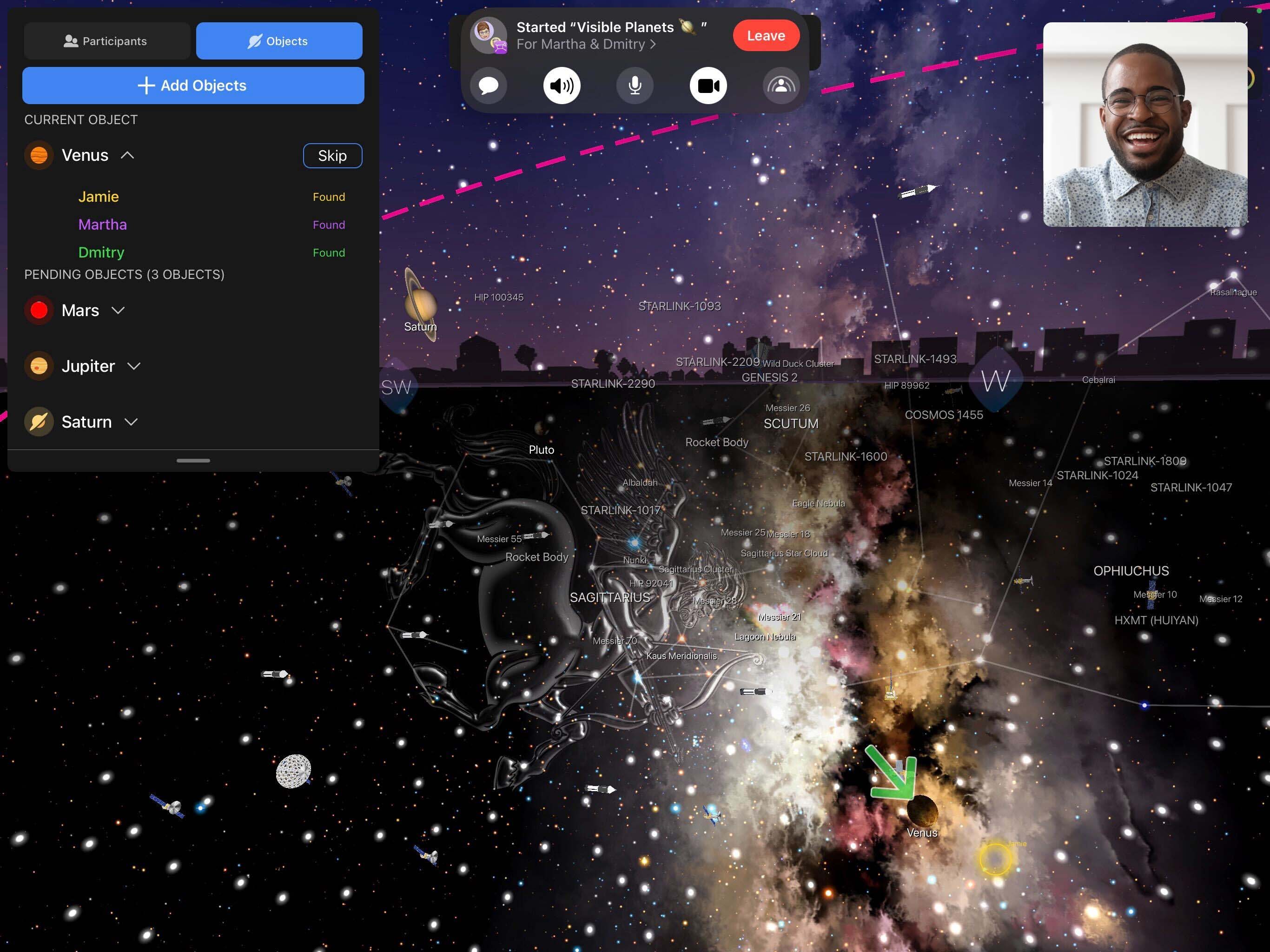
Connected Stargazing was another first in Night Sky X, allowing a group of people on a FaceTime call to start finding objects together even when they are apart. This was a complex implementation behind the scenes to make it appear seamless for users. Night Sky intelligently knows if some users may not be able to see an object due to location and will inform other users in the session. It also allows users to skip objects during a session if they are obscured by cloud for instance.
We also included an intro video for Night Sky X that was inspired by the macOS Leopard start up welcome screen from 2007, that was of the word ‘Welcome’ appearing in multiple languages flying out of the Night Sky. This was around the time when my app development hobby was starting, so I naturally wanted to include something that paid homage to this time, and this was my way of doing that. You can see below this on the intro to the Night Sky X ad’s.
The next five years (2022–2026)
Our first decade gave Night Sky its foundations: a detailed sky map, immersive models, tools for observing and ways to share discoveries. The next five years brought those pieces closer together. Tours became more personal, the planetarium expanded into the space around us, and Aura introduced a new way to ask questions about the universe.
Night Sky 11 (2022) — More ways to discover
Released on 12 September 2022, Night Sky 11 helped users find more of what was already possible within the app. Deep Search connected an object to related experiences, so searching for a planet could also uncover its portal or landing experience. Editor Tours gave our astronomy team a way to build and share guided journeys around objects, Sky Tags and timely celestial events.
We added the NGC catalogue, times along object trajectories and Tonight’s Events to help with observing plans. A rearrangeable main menu, Lock Screen widgets and Shared with You brought useful information closer to hand. This was also the release in which Night Sky Premium became Night Sky +, while Education Mode gave verified institutions a way to remove subscription offers from classroom devices.
Read the Night Sky 11 launch release ↗
Night Sky Foundation (2022) — Opportunity beyond the app
In 2022, I established Night Sky Foundation with fellow trustees Colin Johnston and Alastair Gunn. Access to technology and education had helped set my own journey in motion. The Foundation offered a way for the success of Night Sky to support similar opportunities for others.
Its mission is to improve access to education for disadvantaged people, with a particular focus on digital technology. With iCandi Apps as its main donor, the Foundation provides grants to charities working towards that goal. It gives our work a purpose that reaches beyond the app itself.
Discover Night Sky Foundation ↗
Night Sky 12 (2023) — Catch the moment
Night Sky 12 arrived on 18 September 2023 with a stronger connection to what was happening overhead. Live Sky Events highlighted phenomena such as meteor showers and planetary conjunctions while they were taking place, helping users find something worth observing as soon as they opened the app.
Custom User Tours let Night Sky + subscribers arrange objects and their own images into a journey they could share. For more detailed observing, we added equatorial and azimuthal grids, the meridian and equatorial lines, and higher-resolution light spectrum views. Search became more familiar too, recognising everyday names such as the Plough and Big Dipper. Interactive widgets and StandBy support brought rising objects and observing reminders beyond the main app.
Read the Night Sky 12 launch release ↗
Night Sky on Apple Vision Pro (2024) — Step inside
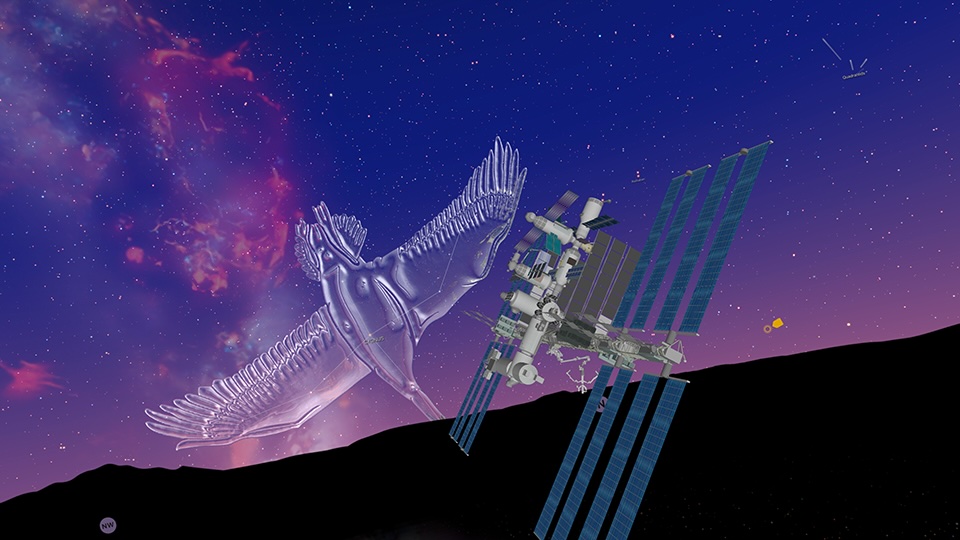
On 2 February 2024, Night Sky arrived on Apple Vision Pro. Years of work on Glass Constellations, planetary models and augmented reality could now become a planetarium surrounding the user. Looking towards an object and using a hand gesture brought it out of the sky to be enlarged and explored.
The experience included personally generated spoken tours, editor-curated tours, a Grand Orrery that could sit on a desk or fill a room, and journeys to view the sky from other planets. The Night Sky Museum and Space Exploration Timeline connected that experience with the instruments and missions that have shaped our understanding of space.
Apple included Night Sky in its launch coverage of Vision Pro apps, highlighting the platform’s potential for learning through a personal planetarium. For us, this continued a journey that began with simply holding an iPhone towards the sky.
Read the Vision Pro launch release ↗ · Read Apple’s launch coverage ↗
Night Sky 13 (2024) — A new generation of Glass Constellations
Later that year, on 16 September, Night Sky 13 introduced 88 newly created 3D Glass Constellations. The visual language we had begun developing for Night Sky 4 gained a new level of detail, with models that users could pull from the sky and examine closely.
Smaller changes helped make everyday exploring clearer: a slider for simulated light pollution, easier access to the Celestial Compass and search suggestions based on objects visible overhead. Dark icons and the new iPad tab bar helped Night Sky feel at home on the latest devices. Together, these changes refined both the sky itself and the controls used to explore it.
Read the Night Sky 13 launch release ↗
Night Sky 26 (2025) — Meet Aura
September 2025 brought Night Sky 26 and the introduction of Aura, our personal AI astronomer. By combining astronomical information with conversational interaction, Aura let users follow their curiosity through questions about stars, constellations, planets and celestial events. It connected those conversations with Night Sky’s existing features, opening another route into the app’s planetarium.
The release also introduced Liquid Glass across the interface and a redesigned app icon. More transparent controls revealed more of the sky behind them. The jump from version 13 to version 26 marked the adoption of a new year-based numbering convention, rather than a sequence of missing annual releases.
Aura’s arrival built on the progression from finding an object, to exploring it, to asking what it means.
Read the Night Sky 26 launch release ↗
Night Sky 27 (2026) — Tonight. Live. Anywhere.
Our next chapter, planned for autumn 2026, is Night Sky 27. Aura becomes a spoken companion through three new tours on iPhone and iPad. Aura Tonight builds a tour around what is visible from your location that evening. Aura Live offers guidance as you point towards the sky, with space to interrupt and ask a question. Aura Anywhere creates a tour for another location, date and time.
On supported devices, Apple Foundation Models handle tour creation and most interactions directly on the device. OpenAI provides a fallback when those models are unavailable or a question needs deeper astronomical knowledge. Natural spoken questions and responses make it easier to keep your attention on the real sky.
The launch release also sets out substantial performance improvements: up to 60% faster launches and an initial download around 63% smaller on iOS, iPadOS and visionOS, with additional content delivered when needed. Eleven additional languages, Siri requests and Spotlight discovery extend the ways people can reach Night Sky. Mac gains Aura Tonight and Aura Anywhere, while Vision Pro gains immersive Aura-powered tours.
These developments bring us back to the purpose of that first app: helping someone look up, recognise what they see and want to discover more.
From the September 2026 Night Sky 27 launch release. Explore the new Aura experience →
Fifteen years of looking up
Looking across this story, I can see how each release made the next one possible. Glass Constellations helped establish a visual language for our immersive planetarium. Sky Tags and shared observing gave people ways to make the sky personal. Editor Tours and Custom User Tours expanded guided discovery before Aura brought conversation into the experience.
The technology has changed enormously since 2011. The reason to build Night Sky remains simple: there is something remarkable above us, and a moment of curiosity can be the beginning of a lifelong interest. Whether someone is identifying their first planet, preparing a lesson or spending an evening exploring with their family, we want Night Sky to help that moment happen.
Thank you to everyone who has used Night Sky, shared it, supported our team and helped shape its development. Here’s to the discoveries still ahead.
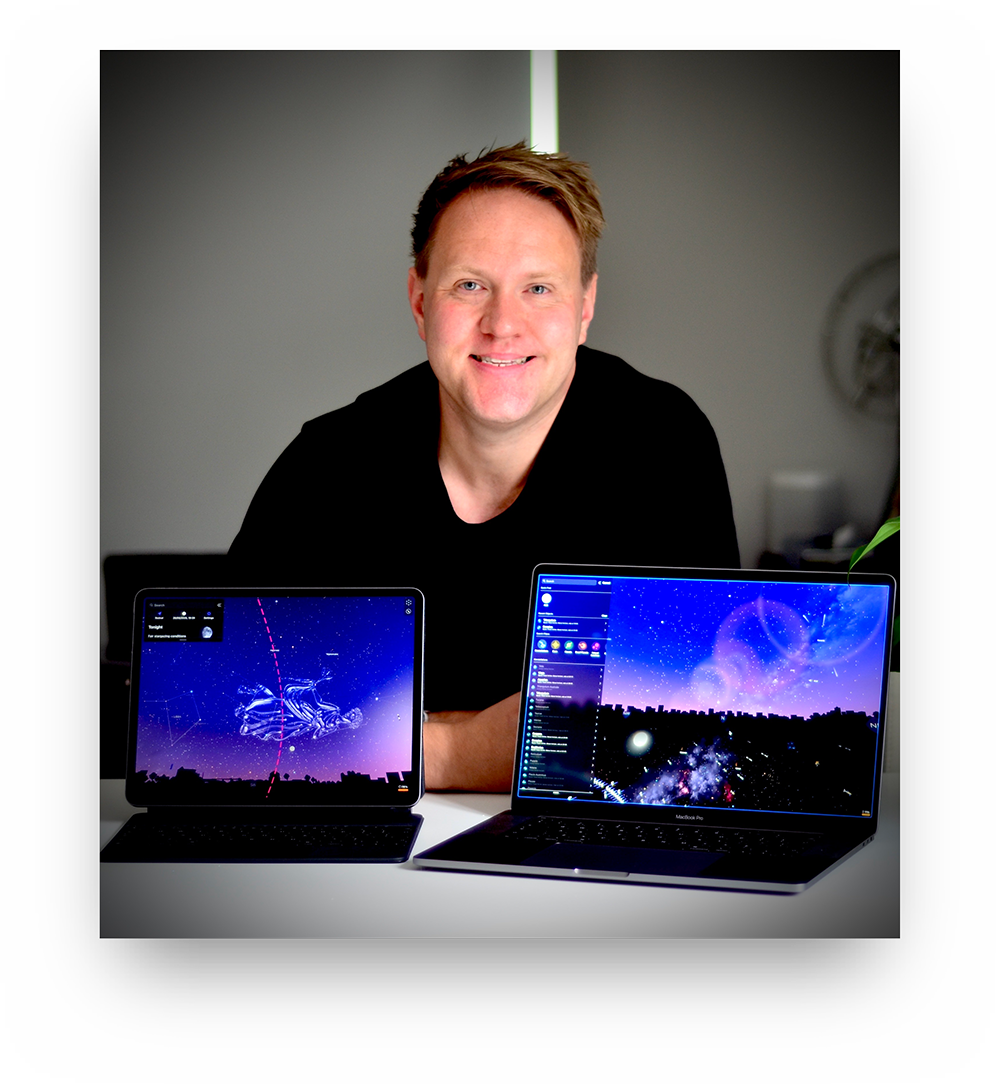
Founder and CEO
Night Sky
iCandi Apps
Happy stargazing! ⭐️